Skip to content

Articles tagged as Physical AI

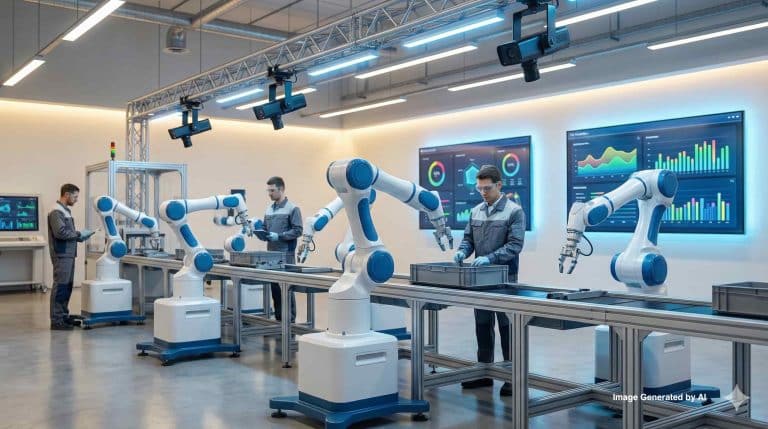
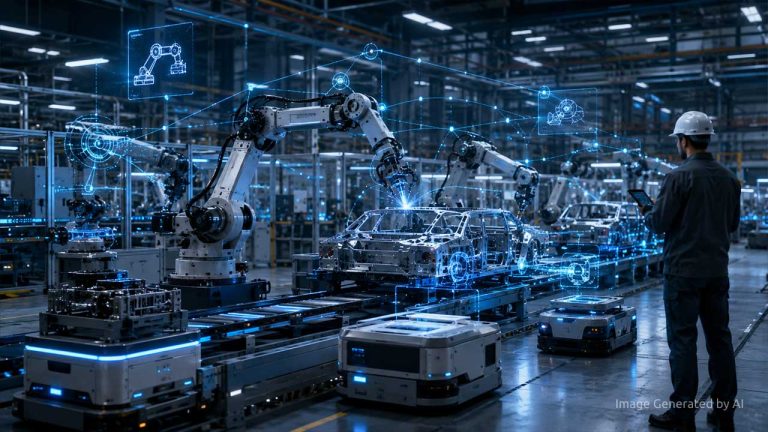
Agentic AI and Physical AI in Manufacturing

The ARC Advisory Group's Industrial AI Pacesetter Report identifies a split in how manufacturers deploy artificial intelligence. Organizations classified as Pacesetters have moved beyond single-agent AI assistants and are deploying Collaborative Multi-Agent Systems where specialized AI…
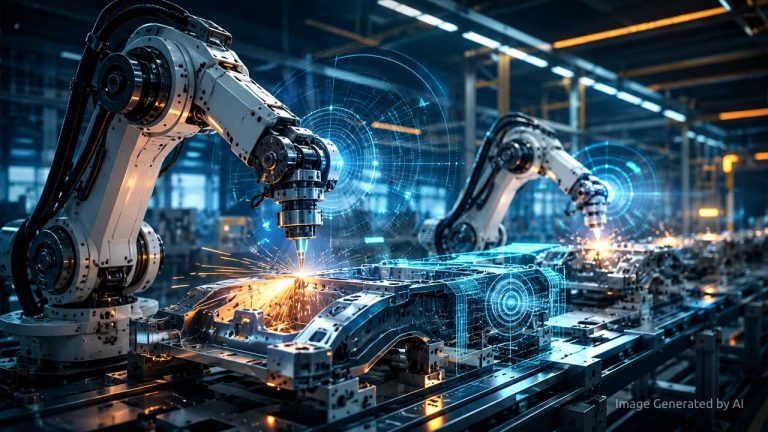
What Is Physical AI and How Does It Work in Factories?

Physical AI integrates artificial intelligence software with physical factory hardware, from robotic arms and mobile manipulators to quadruped sensor platforms, so machines can see, reason, and adapt to real-world conditions without human guidance at every step.…

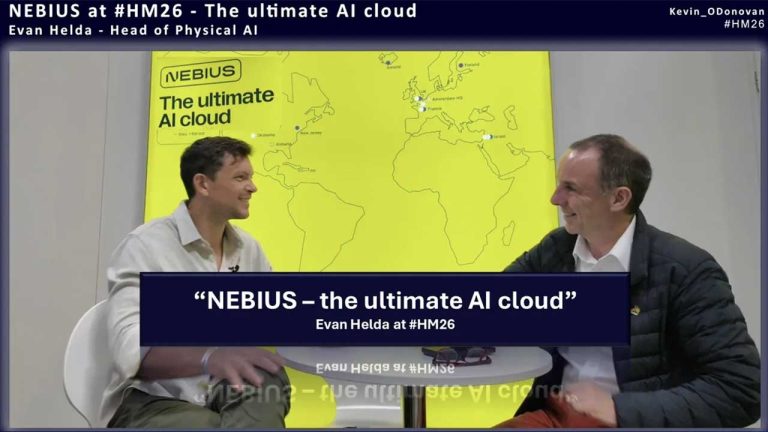
NEBIUS and the Rise of the AI-Native Hyperscaler for Physical AI

As physical AI moves from conference-stage ambition into real industrial experimentation, the infrastructure question is becoming harder to ignore. Robots, humanoids, autonomous systems and industrial AI workloads do not just need more compute. They need faster…

One AI Project Saves Manufacturers $5 Million a Year

GlobalLogic built procurement systems that save some clients $5 million a year by modernizing invoicing processes, and contributed to Hitachi Rail's most digitally advanced factory worldwide, a 300,000 ft² facility in Hagerstown, Maryland. "It's time for…

Time Series Database Buying Guide for Energy

The data challenge facing energy operations today Power grids, renewable energy sites, battery storage facilities, substations, and smart meter networks generate millions of time-stamped data points every second. This telemetry from sensors, SCADA systems, and field…

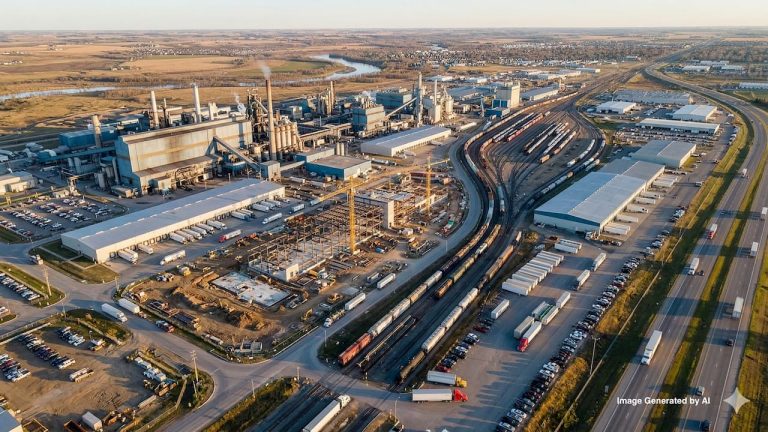
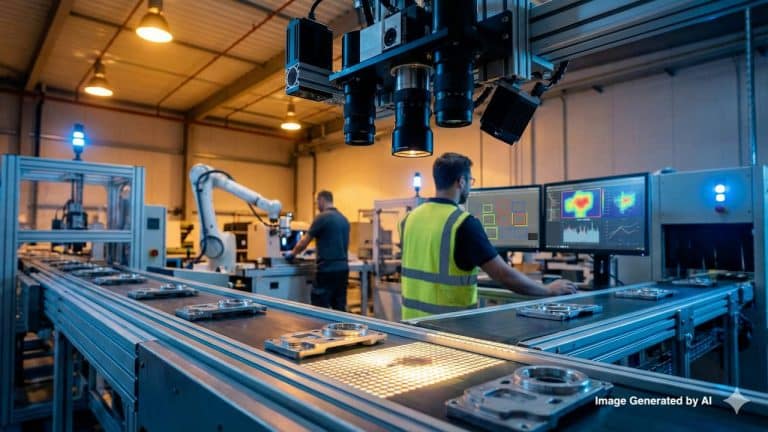
Regional Manufacturing Trends Driving AI Vision Adoption in 2026

According to recent 2026 outlook data from the Association for Advancing Automation (A3) and ITR Economics, the adoption of AI Vision is a strategic geographical decision. As "reshoring" evolves from a buzzword into a corporate mandate, manufacturers are pivoting…

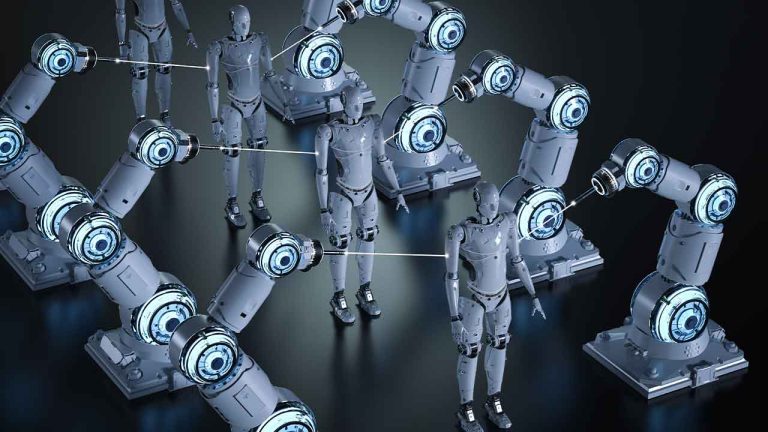
The Dawn of Physical AI: A New Era in Robotics

Physical AI represents a fundamental shift in how intelligent systems interact with the real world. Unlike traditional software-based AI that processes data in the cloud, physical AI embeds perception, decision-making, and learning directly into robots and…