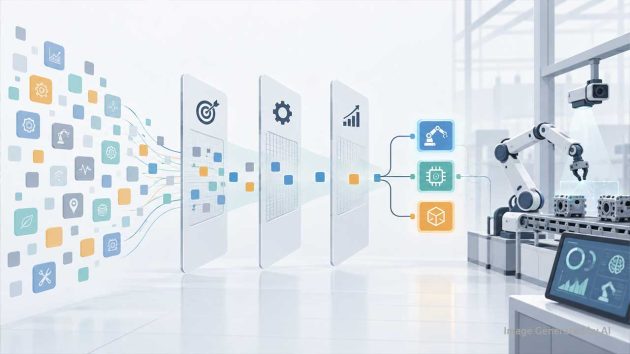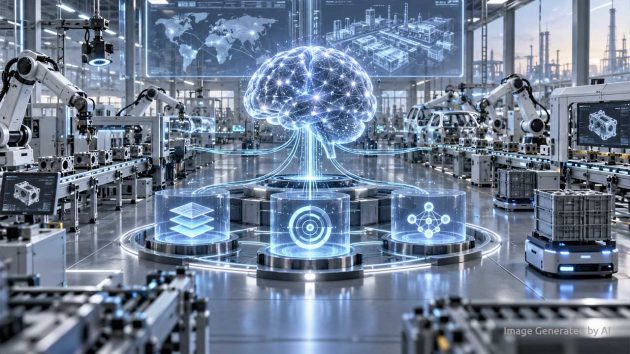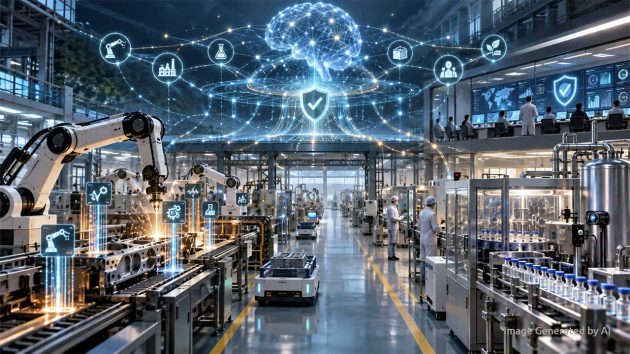

Manufacturing is entering a new era of precision and efficiency with the rise of AI-powered industrial agents. These specialized tools are revolutionizing how manufacturers approach problem-solving, decision-making, and operational improvements. By narrowing the scope of AI to specific tasks, industrial agents are unlocking new levels of productivity and reliability across the factory floor.
What Are Industrial Agents?
Unlike generalized AI models, industrial agents are designed to perform specific tasks within a controlled environment. For example, in a manufacturing setting, an industrial agent might analyze design inputs and instantly generate production-ready files, eliminating days of back-and-forth between teams. These agents are focused, reliable, and offer deterministic outputs, making them perfect for high-stakes environments like production lines.
How Do Industrial Agents Reduce Manufacturing Downtime?
One of the most significant advantages of industrial agents is their ability to minimize downtime. By analyzing real-time sensor data and historical performance records, these agents can predict when equipment might fail and recommend preemptive actions. For instance, manufacturers using predictive maintenance agents have reduced downtime by several hours per day, translating to millions of dollars in annual savings.
How Do AI Agents Transform Root Cause Analysis?
Another transformative application is in root cause analysis (RCA). Traditionally, identifying the cause of a failure could take weeks or even months. Industrial agents can now perform an initial assessment in under 30 minutes by aggregating and analyzing data from multiple sources, such as work orders, CAD diagrams, and sensor logs. This rapid analysis not only speeds up remediation but also allows manufacturers to address more issues proactively, boosting uptime and productivity.
How Do AI Agents Extract Value from Manufacturing Data?
Manufacturers often collect vast amounts of data but struggle to utilize it effectively. Industrial agents act as the bridge between raw data and actionable insights. For example, factories can aggregate machine performance data and use agents to identify inefficiencies, such as bottlenecks or energy waste. These insights enable better resource allocation and operational improvements.
How Should Manufacturers Start with AI Agents?
Implementing industrial agents doesn’t have to be overwhelming. Manufacturers can begin with targeted applications, such as optimizing a specific production line or solving a recurring issue like excessive scrap. These quick wins build confidence and pave the way for more comprehensive AI integration.
The adoption of industrial agents is not just a trend—it’s a fundamental shift in how manufacturing operations are managed. From reducing downtime to uncovering inefficiencies, these tools are helping companies achieve faster, smarter, and more sustainable production processes. For manufacturers ready to embrace this change, the future holds unparalleled opportunities for growth and innovation.
This article was written based on the transcript of the “Future-Proofing Factories: Strategies for Adapting to Rapid Technological Change” session at IIoT World Manufacturing & Supply Chain Day, December 2024 edition.
Related articles:
- Five reasons why AI projects fail in manufacturing
- Manufacturing Excellence with AI and IIoT: An Expert Guide
FAQ
What are AI-powered industrial agents?
Industrial agents are AI systems designed to perform specific tasks within controlled manufacturing environments. Unlike generalized AI models, they provide focused, reliable, and deterministic outputs suitable for high-stakes production operations such as analyzing design inputs and generating production-ready files.
How do industrial agents reduce manufacturing downtime?
Industrial agents analyze real-time sensor data and historical performance records to predict equipment failures before they occur. Manufacturers using predictive maintenance agents have reduced downtime by several hours per day, translating to millions of dollars in annual savings.
How do AI agents improve root cause analysis?
Traditional root cause analysis could take weeks or months. Industrial agents aggregate data from multiple sources including work orders, CAD diagrams, and sensor logs to perform initial assessments in under 30 minutes, enabling faster and more proactive issue resolution.
How should manufacturers start implementing industrial agents?
Start small by deploying agents for specific, well-defined tasks rather than attempting broad AI transformation. Industrial agents bridge the gap between raw data collection and actionable insights, identifying inefficiencies such as bottlenecks and energy waste in focused areas before scaling.
Related Reading
Agentic AI and Physical AI in Manufacturing