The data challenge facing energy operations today
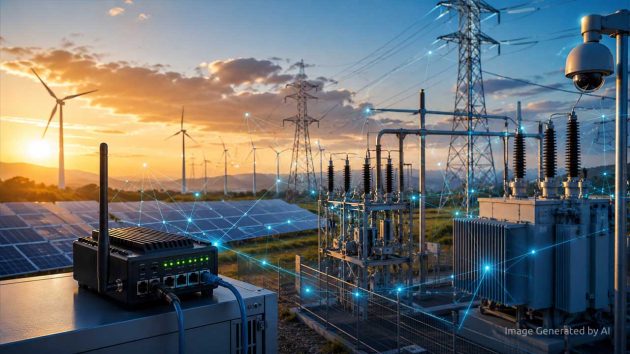
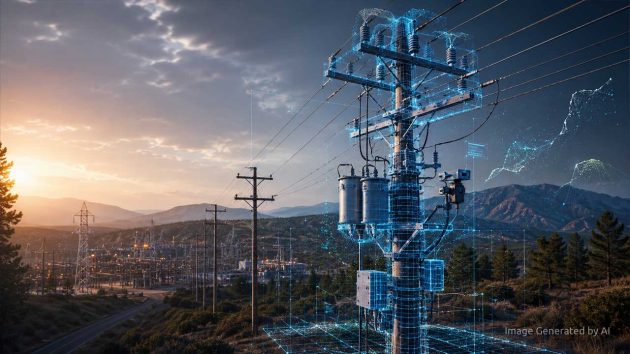
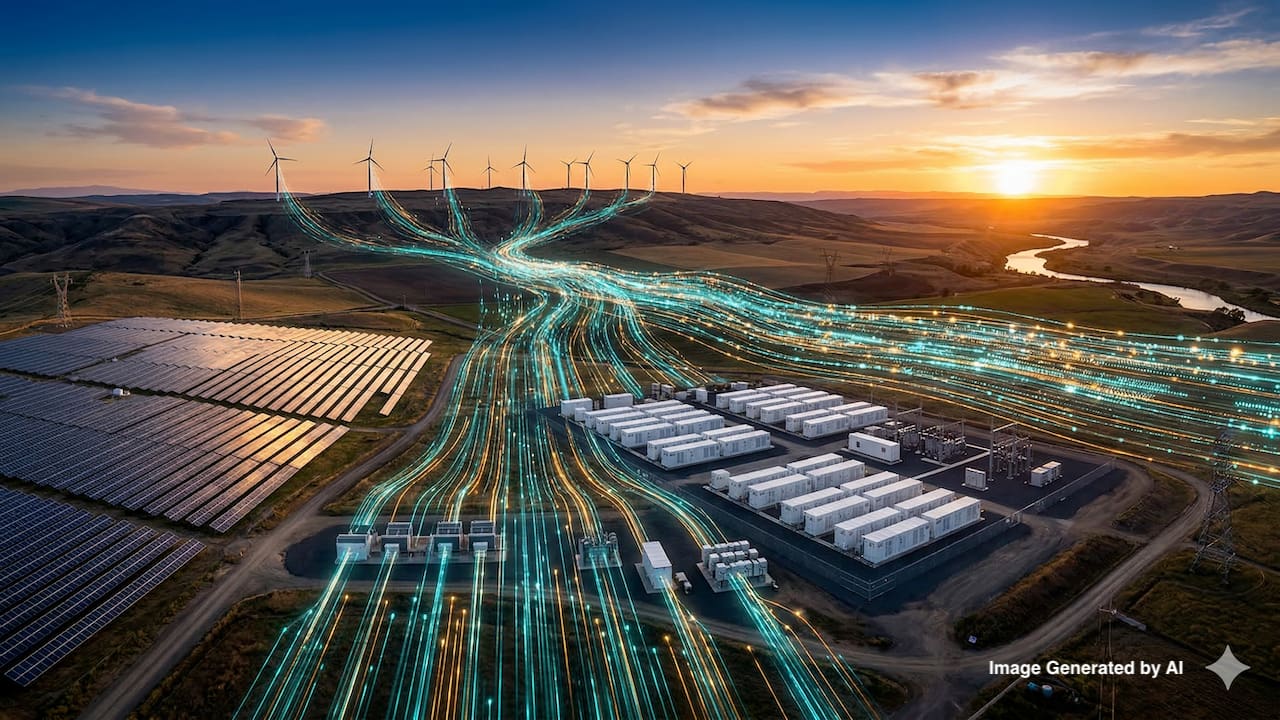
Power grids, renewable energy sites, battery storage facilities, substations, and smart meter networks generate millions of time-stamped data points every second. This telemetry from sensors, SCADA systems, and field devices is the foundation for real-time monitoring, predictive maintenance, and grid stability. Without the right data infrastructure, none of it translates into action.
General-purpose databases were not built for this. Relational databases, document stores, and log systems organize data by rows, documents, or logs. When time becomes the primary axis and write volumes reach millions of points per second, these platforms hit performance walls, drive up storage costs, and introduce query latency that energy operations cannot afford.
What is a time series database, and why does it matter for energy?
A time series database is a platform engineered specifically to ingest, store, and query data indexed by time. For energy companies, this means handling high-velocity telemetry from grid assets, renewable generation sites, Battery Energy Storage Systems (BESS), and distribution networks at the resolution and speed that real-time operations demand.
The difference between a general-purpose database and a purpose-built time series platform shows up in every layer: ingestion speed, compression efficiency, query latency, cardinality support, and the ability to run at the edge, in the cloud, or across both. For energy teams working with predictive maintenance, demand forecasting, or autonomous grid control, these are not abstract benchmarks. They determine whether insights arrive in time to act on them.
How do you choose the right time series platform?
Not all time series databases are built equally, and the wrong choice can mean performance bottlenecks, rising costs, or vendor lock-in. The decision depends on your deployment requirements, data volume, cardinality, retention needs, and how your organization plans to use AI and analytics on operational data.
This guide gives energy professionals a structured framework to evaluate platforms and vendors with confidence, without getting lost in feature checklists that miss what actually matters in production.
What’s inside the guide
- How time series data supports real-time operations across grid management, renewables, BESS, and metering
- The role of time series in powering physical AI and predictive intelligence for energy
- A detailed BESS case study with real-world evaluation criteria
- Key principles for comparing time series database vendors
- Four deployment models compared: on-premises, cloud, edge, and hybrid
- A maturity model to assess where your organization stands today
- A ready-to-use vendor evaluation checklist
Fill out the form below to download the full guide.
Sponsored by InfluxData.