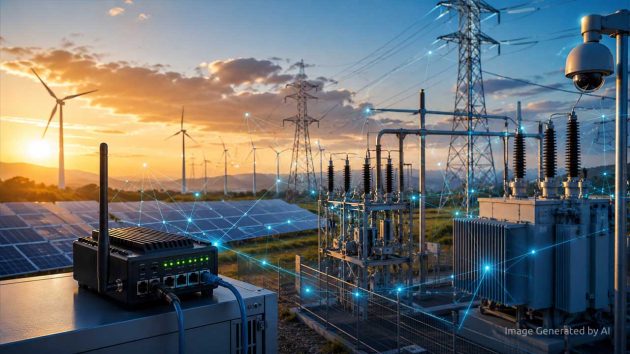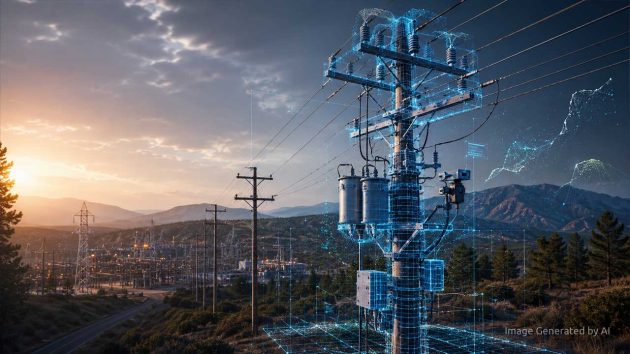
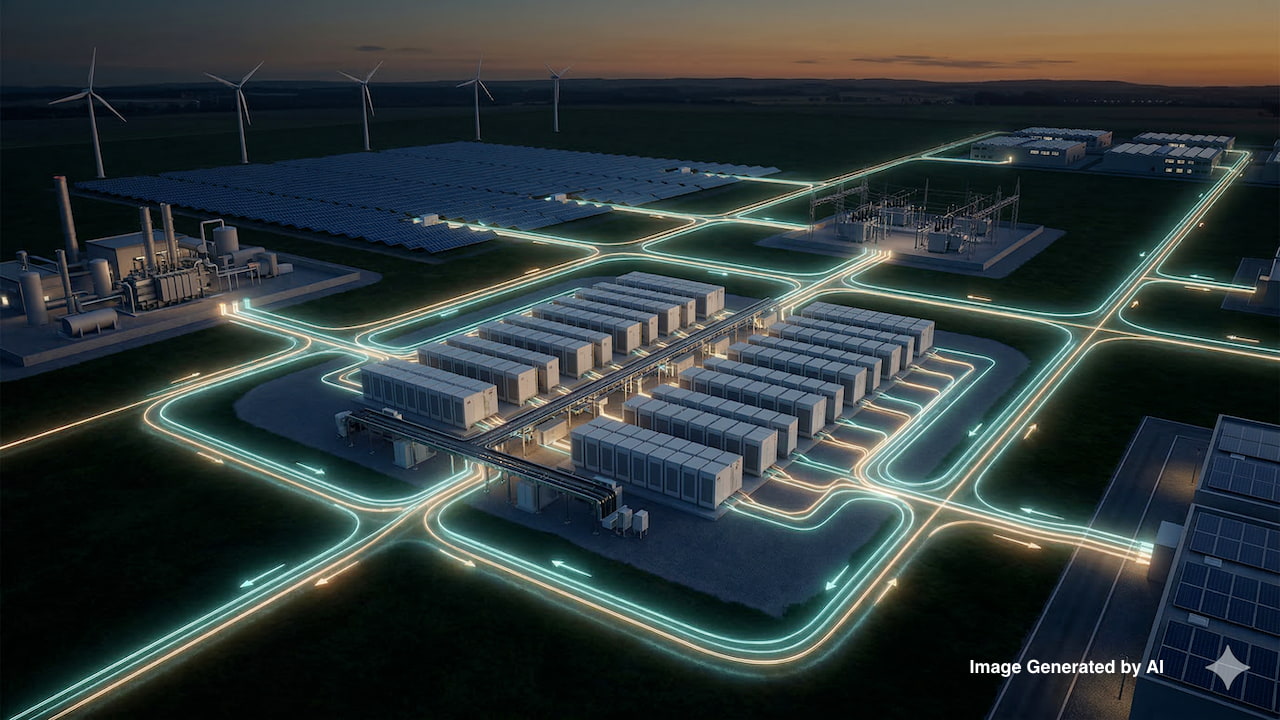
For decades, the power grid functioned as a one-way street: generation to consumption. Today, that model is being dismantled by the rise of the “Prosumer”, businesses and municipalities that both consume and generate power. This shift is turning a linear grid into a multidimensional, intelligent web.
In this new ecosystem, energy storage serves as a critical node. However, to make these nodes communicate and function effectively, they require a “digital nervous system” powered by the Industrial Internet of Things (IIoT). By leveraging IIoT, operators can ensure energy is stored when it is plentiful and discharged exactly when the system is under strain.
How IIoT Scales the Storage Ecosystem
IIoT is doing more than just connecting devices; it is providing the operational intelligence necessary to scale:
- Real-Time Analytics: By monitoring variables like degradation and temperature, operators can finally understand how different dispatch options affect the lifespan of expensive lithium cells.
- Virtual Power Plants (VPPs): IIoT enables the coordination of radically distributed generation nodes, allowing them to participate in the larger grid as a single, flexible, and resilient resource.
- Predictive Maintenance: Through advanced data acquisition and local automation, “fault management” is becoming a reality, ensuring quality of service while preventing catastrophic failures.
Beyond the “Best Battery”: An Application-First Approach
As highlighted during our recent “How to Use IIoT to Grow the Energy Storage System” session at IIoT World Energy Day, the industry is moving away from the search for a single, universal battery technology. Instead, the focus has shifted toward matching specific technologies to their ideal use cases through rigorous evaluation and real-time monitoring.
In this context, traditional parameters like round-trip efficiency or self-discharge rates are meaningless in a vacuum. They only gain value when viewed through the lens of a specific application.
Contextualizing Storage Performance
- The UPS vs. Grid Cycling Paradox: Lead-acid batteries, often dismissed as outdated for the grid due to low round-trip efficiency, remain superior for Uninterrupted Power Supply (UPS) systems. Their strength lies in holding energy for long periods without frequent cycling, a scenario where reliability trumps efficiency.
- The Lithium Standard and Beyond: Lithium-ion remains the industry standard, largely because it was propelled by the electric vehicle (EV) market. However, for stationary grid-tied systems where size and weight are less critical, non-lithium technologies like zinc-air, nickel-hydrogen, and flow batteries are gaining traction.
- The Power of Predictive Monitoring: Because the industry is still uncovering the nuances of lithium-ion degradation, operators are leveraging real-time information from active projects to analyze, on the fly, how specific dispatch decisions impact the actual lifespan of these assets.
This transition requires the development of standardized use-case profiles. By moving away from general “scorecards” and toward application-specific evaluation, utilities can finally determine the most suitable technology for renewable smoothing, firming, or bulk system services.
Join us for IIoT World Energy Day 2026
The conversation on how to integrate these diverse technologies into a stable, intelligent grid is just beginning. We are currently adding expert speakers to our agenda to share more boots-on-the-ground case studies and technical insights.
Free tickets are available for a limited time.
Register Now for IIoT World Energy Day 2026
Thank you to Sherif Abdelrazek, Alison Wise, Stephane Gervais, and Joseph Nyangon for participating in our IIoT World Energy events. This article is grounded in the insights shared during the “How to Use IIoT to Grow the Energy Storage System” session.
FAQ: IIoT Energy Storage & Grid Modernization
1. How is IIoT transforming the North American power grid
IIoT acts as a digital nervous system for the North American power grid, turning passive energy storage systems into intelligent, reactive nodes that can discharge energy exactly when the decentralized grid is under strain.
2. What role do Virtual Power Plants (VPPs) play in EU smart cities?
In developing EU smart cities, IIoT enables VPPs to coordinate widely distributed generation nodes, allowing hybrid energy storage systems to act as a single, resilient resource to smooth out renewable energy fluctuations.
3. Why are utility-scale storage projects in NC moving beyond lithium-ion batteries?
While lithium-ion remains the EV standard, utility-scale storage projects (like those expanding in NC) are increasingly adopting non-lithium technologies like zinc-air and flow batteries for stationary, grid-tied applications where long-duration reliability trumps physical size.
4. How does predictive maintenance benefit smart grid infrastructure projects in 2026?
By monitoring real-time battery degradation and thermal metrics, IIoT predictive maintenance enables proactive fault management. This prevents catastrophic failures and drastically reduces the lifetime cost of ownership for 2026 smart grid infrastructure projects.
About the author