


Trust, Security, and Human Factors in Agentic AI
Autonomous AI on the factory floor is not just a technical challenge — it’s a human one. Operators want to know they can trust the system. Executives need accountability. Security teams demand resilience. At the “Agentic AI…

Inside Tata Steel’s Reliability Mindset: What Really Drives Uptime
Tata Steel Thailand judges plant reliability by three visible signals: housekeeping discipline, visually tagged critical assets, and active daily management boards. According to Amit Khanna, VP of Business Excellence at Tata Steel Thailand, real-time gas monitoring…

Prescriptive AI That Respects Reality: Recommendations You Can Actually Execute
Midnight on a production line isn’t the time for a generic alert. When a critical asset starts drifting, teams don’t want a chatbot—they need a specific diagnosis and a plan they can run safely, with the…

Agentic AI Isn’t a Product – It’s an Integrated Business Strategy
Agentic AI represents a fundamental shift in how manufacturers deploy artificial intelligence, moving from passive analytics and dashboards to autonomous agents that perceive, decide, and act within operational workflows. Unlike traditional AI copilots that wait for…

Factory Expertise, Now Scaled by AI
Every factory depends on expertise — the intuition of a technician who can hear when a nozzle is misaligned, or the experience of an engineer who can trace yield loss back to a single feeder. But…
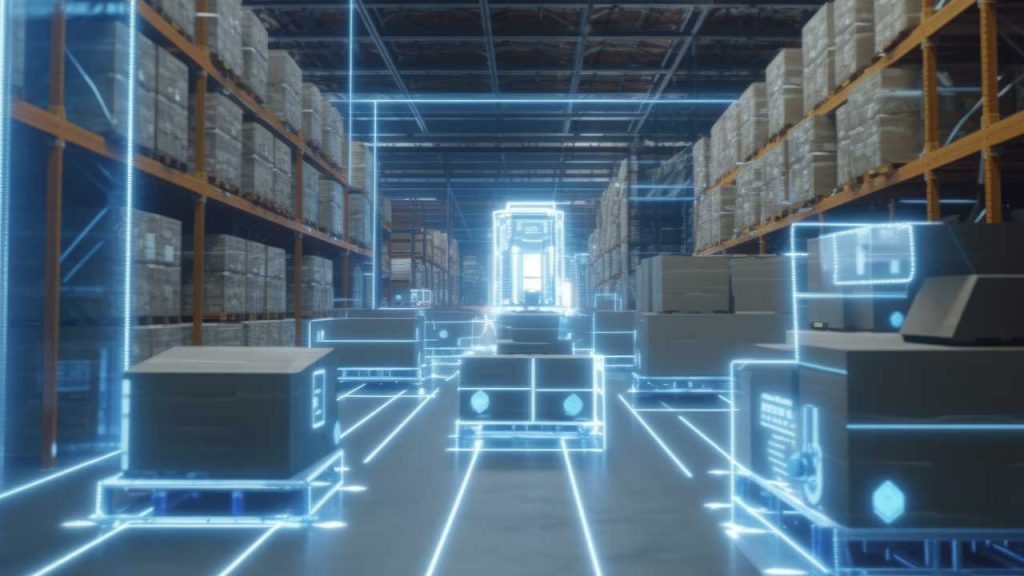
From APIs to Digital Twins: Warehouse Integration Strategies for Smarter Supply Chains
The landscape of warehousing and supply chains is changing rapidly. Modern manufacturers, distributors, and energy companies face rising customer expectations for speed and transparency; for example, over 90% of U.S. consumers now expect 2–3 day delivery…

How Oil & Gas Operators Are Enabling Remote-First, Low-Touch Operations
A Practical Shift Toward Remote OperationsOil and gas operators are increasingly transitioning to remote-first infrastructures. With mature IIoT platforms, edge AI, and automation, facilities are now being managed with minimal on-site personnel—especially offshore. This isn’t a…
The AI Gap: Can Manufacturing Keep Up With the Pace of Innovation?
AI is moving faster than most industries can digest. According to data cited during a recent IIoT World session, AI capability is now doubling every 3.5 months—a 100x improvement in a single year. That’s not evolution; that’s…

8 steps manufacturers can take to digital transformation
The thought of digitalization can be overwhelming. When we first started talking about IIoT or digitalization about a decade ago, the concepts were prescribed as an all-encompassing, top-down approach taking the industrial world from Industry 3.0…

From Data to Insights: Turning Industrial Data into Actionable Intelligence
Manufacturing plants generate enormous volumes of data every second, from vibration sensors on rotating equipment to temperature readings in chemical reactors and throughput counters on packaging lines. Yet the vast majority of this data is never…
How Open Data Standards Power Industrial Process Optimization
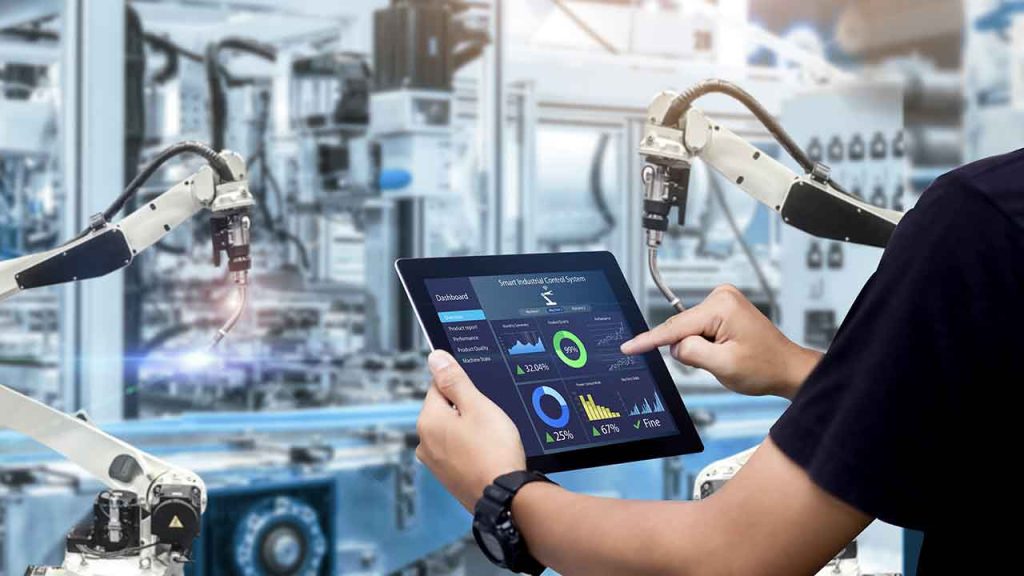
Proprietary data silos remain one of the largest barriers to scaling industrial process optimization across multi-vendor factory environments. Open data standards such as OPC UA, MQTT, and Sparkplug B offer a path forward by establishing common…
Inside the Future of Manufacturing: What End Users in CPG and Life Sciences Need to Know Now
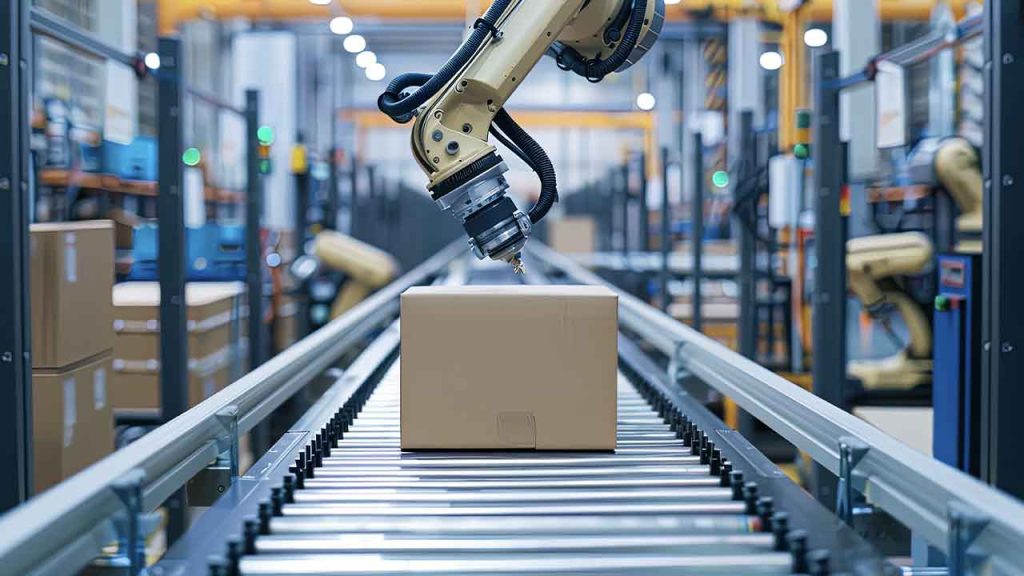
At Automate Show 2025, one key theme echoed across the exhibit halls: industrial end users in consumer-packaged goods (CPG) and life sciences are under growing pressure to produce faster, smarter, and more flexibly—without adding complexity or cost. But while new tech is…