
Smart Manufacturing
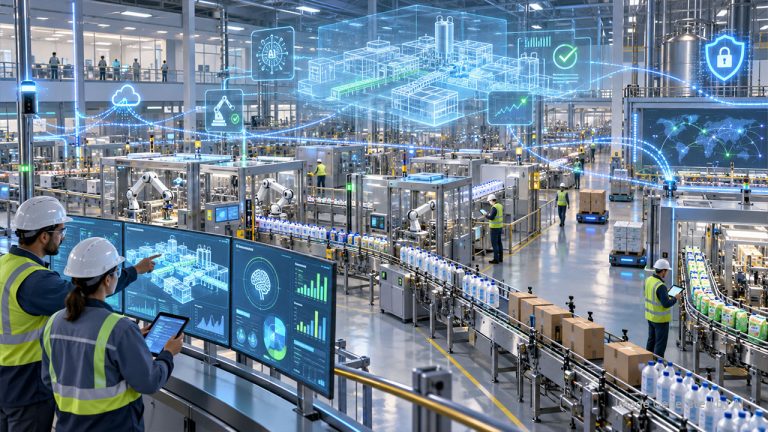

The Human Side of Industrial AI
Who owns the failure when an AI system acts without a human in the loop? How do manufacturers overcome workforce resistance that 25.7% of CPG companies cite as a barrier to AI scaling? Neil Smith of…
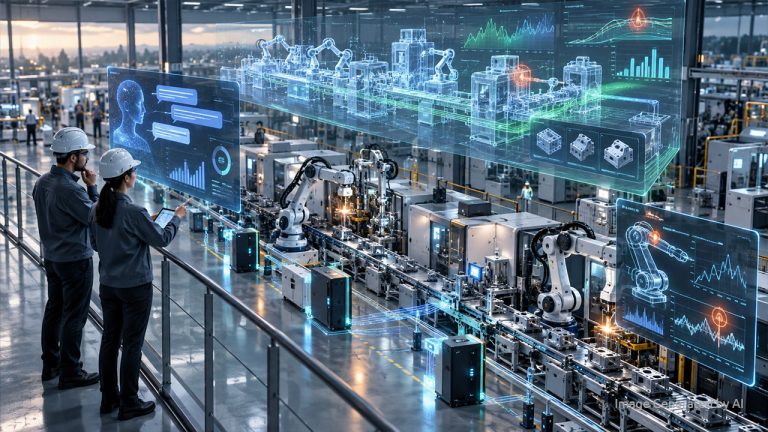
Edge AI, LLMs, and Digital Twins in Production
Should manufacturers run domain-specific small language models at the edge? Where do LLMs add value in manufacturing production planning? Can you test AI on a digital twin before production? Neil Smith of Schneider Electric and Andrew…

Edge Security and Lab-to-Factory AI
How should the edge be designed for security when AI applications interact with industrial control systems? Should university-industry projects follow product implementation discipline? Denis Leite, Director of Digital Transformation at Mekatronik, answers these audience questions from…
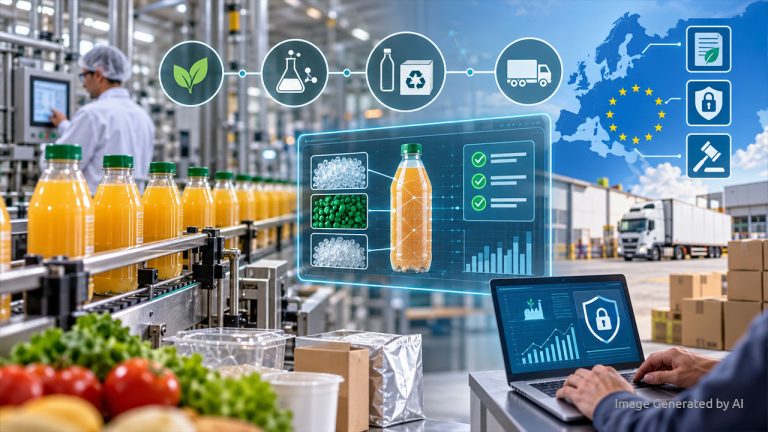
Why CPG Regulation Is a Data Problem
By 2030, food and beverage manufacturers are projected to lose 36% of potential revenue to inefficiencies, three percentage points more than life sciences. Life sciences companies built digital data infrastructure earlier, correlating with FDA compliance requirements…

Why Factory Data Never Reaches AI
Manufacturers have spent ten to twenty years installing sensors and connecting machines. The data flows, but it rarely reaches AI. At the Industrial AI Summit 2026, Jonathan Alexander of Albemarle Corporation, Peter Sorowka of Cybus, and…
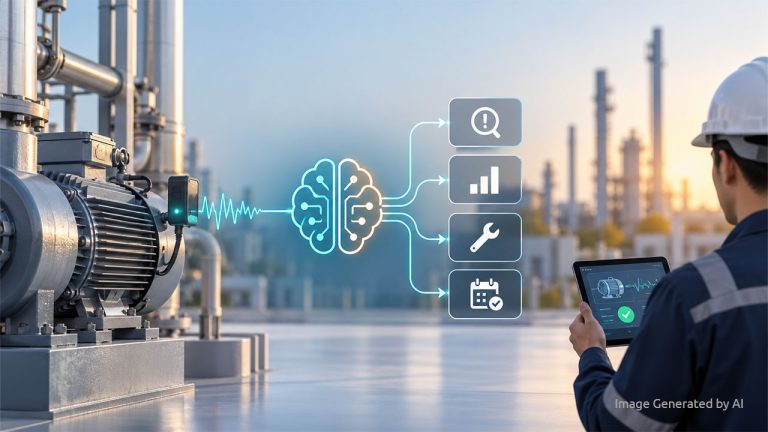
What Plants Need for Prescriptive AI
Prescriptive AI tells plant operators which component to replace, which maintenance action to take, and when. Boris Scharinger, author of Industrial AI: From Pilot to Profit and R&D Excellence, DataOps and Master Data Management at Siemens,…
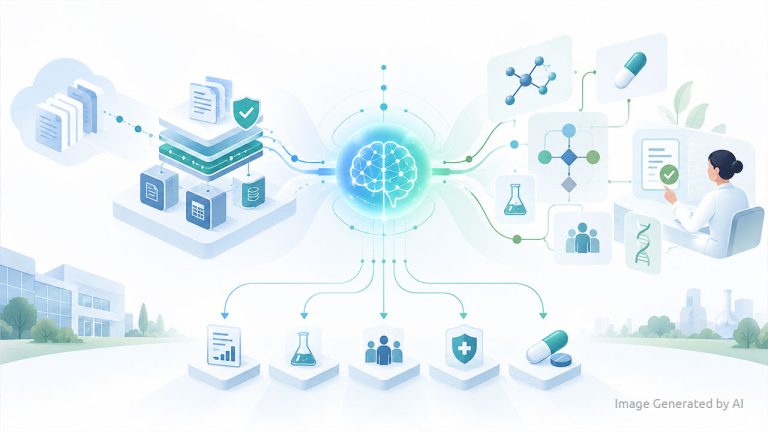
Should Pharma Build or Buy Explainable AI?
Should pharma build or buy AI explainability? Can you prove a source document was not altered? How do human reviewers keep up with AI output? Adam Procopio of Merck and Kristen Sauter of Adlib Software address…
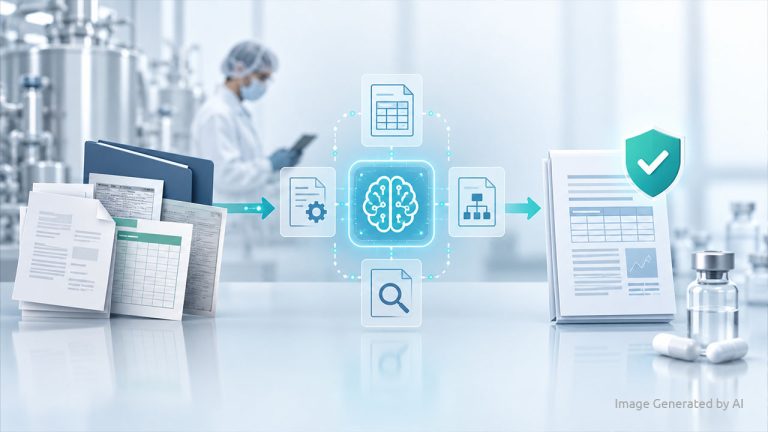
How Should Pharma Handle Documents for AI?
At the Industrial AI Summit 2026, attendees asked questions about pharmaceutical document integrity that the panel did not have time to answer live. Adam Procopio, Scientific Associate Vice President at Merck, and Kristen Sauter, President and…
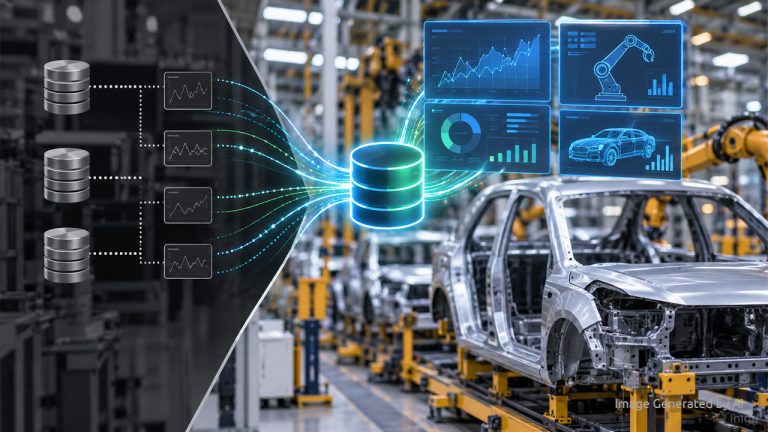
Scaling Time Series for Automotive Manufacturing
A Practical Guide to Historian Augmentation Sponsored by InfluxData Data historians have served automotive manufacturing for decades, capturing signals from PLCs, robots, weld cells, and test stands across body shop, paint, stamping, and final assembly. The…
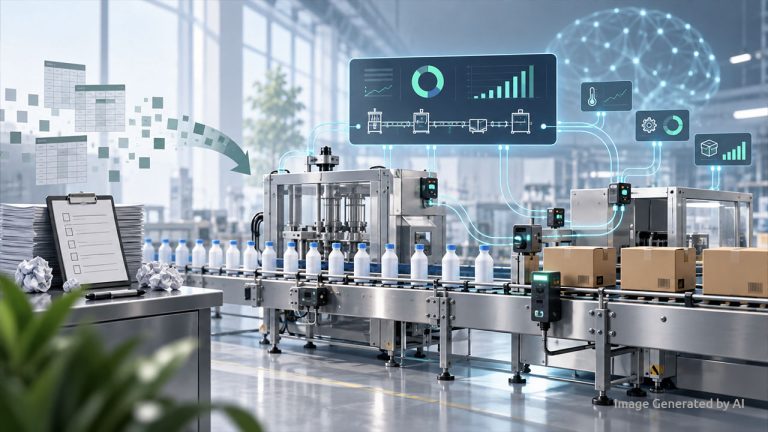
What CPG Plants Should Fix Before AI
Eighteen percent of U.S. product cost comes from manufacturing delays and downtime. Many CPG plants track line performance through overall equipment effectiveness, but those systems run offline on spreadsheets, clipboards, or disconnected software. The data to…
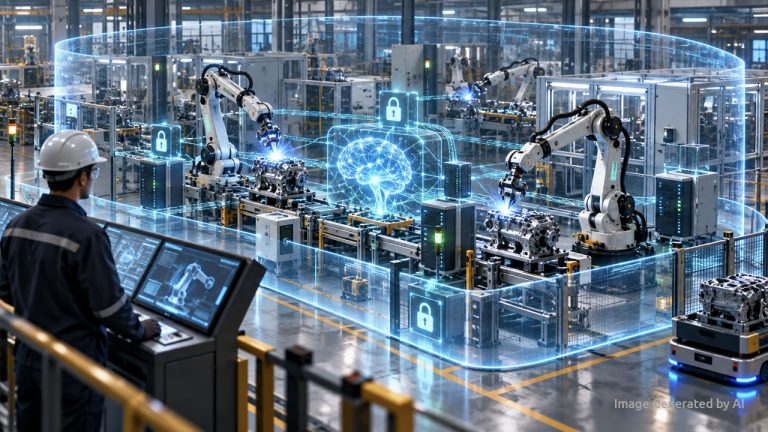
How Do You Secure Autonomous AI in OT?
This is the final part of three articles based on unanswered audience questions from the "From Data Streaming to Autonomous Action" session at the Industrial AI Summit 2026. Parts one and two covered context foundations and…
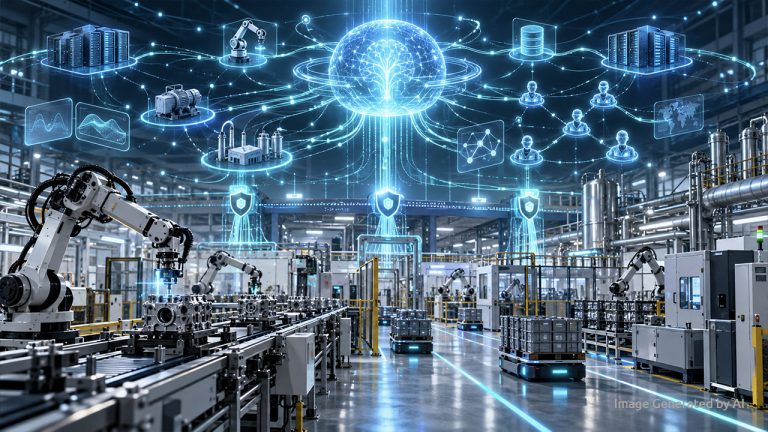
What Powers Industrial AI Agents?
This is part two of three articles based on unanswered audience questions from the "From Data Streaming to Autonomous Action" session at the Industrial AI Summit 2026. Where part one covered the data and context foundations,…