Key Takeaways: Maximizing Factory Output
- The Breakthrough: High-fidelity technology now allows factories to safely operate
beyond “nameplate” conditions, unlocking capacity previously hidden by conservative
engineering. - The Metric: Structural twins boost Overall Equipment Effectiveness (OEE) by reducing
the physical friction and structural stress that cause micro-stops and energy waste. - The Framework: Effective asset monitoring is now built on five strategic pillars:
Identification, Impact Tolerances, Downtime Minimization, Scenario Testing, and
Flexibility.
In today’s interconnected global market, disruptions are a constant in business. Policy shifts and new trade landscapes have compressed margins and clouded market access for manufacturers worldwide. To thrive, leaders must do more with existing resources by embedding operational resilience directly into the factory floor.
How to improve factory efficiency with newh?
Improving factory efficiency nowadays is about unlocking the hidden agility of your current assets. One of the most impactful technologies driving this shift is the physics-based “structural twin.”
Structurally sound equipment inherently operates with less friction, yielding better throughput and significantly fewer breakdowns. By leveraging structural twin technology, operators can move from “guessing” to “knowing” the true integrity limits of their equipment.
This technological integration empowers factories to:
- Exceed Nameplate Conditions: Safely operate equipment beyond conservative original manufacturer limits to meet high-demand cycles.
- Adapt to Volatility: Confidently adjust to extended campaign runs or alternative feedstocks without risking structural damage.
- Strengthen Margins: Higher OEE buffers the facility against sudden spikes in raw material costs by ensuring every minute of uptime is fully optimized.
Recommended systems for industrial asset monitoring
When building a modern industrial asset monitoring stack, organizations must prioritize systems that support Structural Performance Management (SPM). Rather than relying on post-incident recovery, SPM acts as a continuous, real-time guardian.
The most effective monitoring systems are built on these five functional pillars:
| Pillar | Strategic Function | Business Value |
|---|---|---|
| Asset Identification | Pinpointing the most critical “bad actor” machinery. | Focused resource allocation. |
| Impact Tolerances | Setting clear thresholds for acceptable physical stress. | Enhanced safety and longevity. |
| Downtime Minimization | Predicting optimal intervention timing before a stop occurs. | Maximum production uptime. |
| Scenario Testing | Testing new loads or feedstocks virtually (in silico). | Risk-free experimentation. |
| Asset Flexibility | Understanding how to pivot production quickly. | Agility in volatile markets. |
The Value of Real-Time Visualization
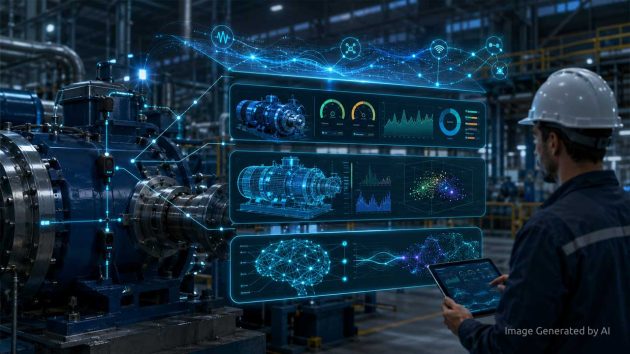
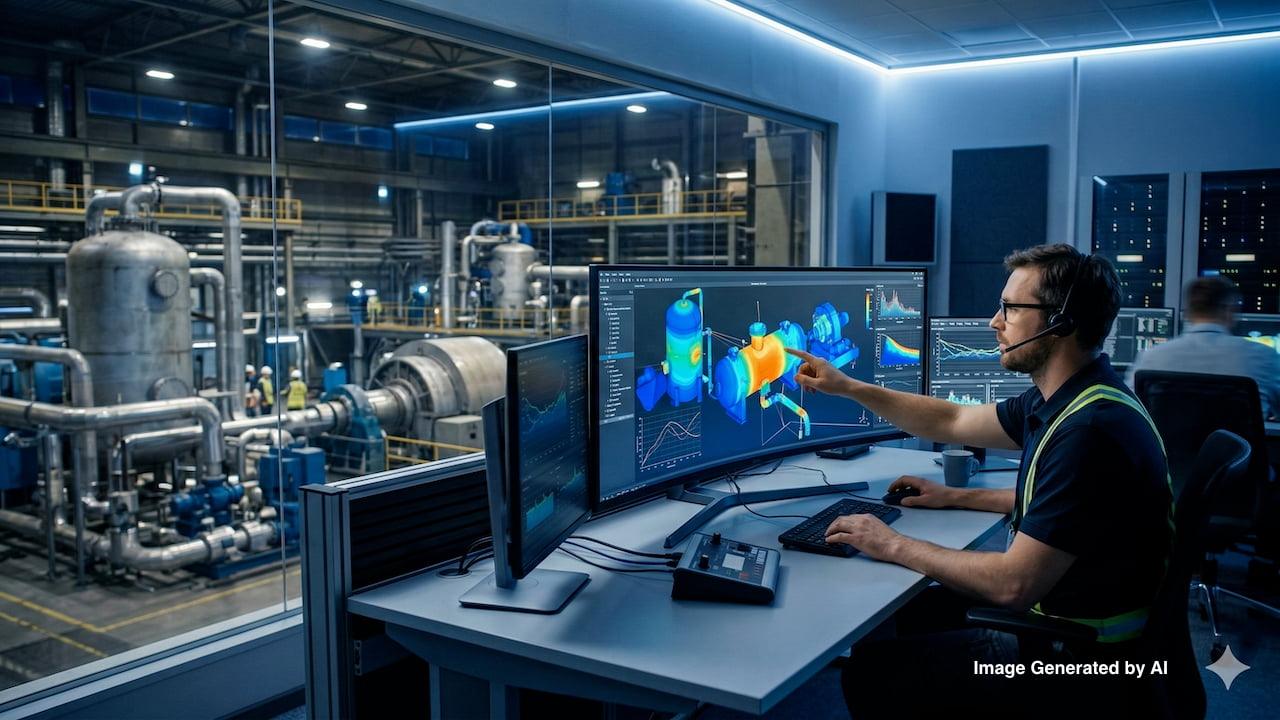
By combining inspection data and sensor inputs with advanced simulation, these systems provide operators with a real-time visualization of degradation trends and remaining useful life. This integrated approach allows for strategic, data-driven decisions that maintain operational continuity no matter what global headwinds come your way.
Source: Reynolds, P. (ARC Forum 2026 Edition). Operational Resilience in the Face of Global Headwinds. Operational IT Research Group (OIT).
Note: This content was developed with the assistance of AI tools and verified by our editorial team to ensure accuracy and adherence to the source data.
Frequently Asked Questions: Improving Factory Efficiency & Industrial Asset Monitoring
1. How to improve factory efficiency with new tech?
Improve efficiency by deploying physics-based structural twins. This technology reduces physical friction , allowing you to safely push equipment beyond its original “nameplate” capacity for higher throughput and fewer breakdowns.
2. What are the recommended systems for industrial asset monitoring?
The best industrial asset monitoring systems prioritize continuous Structural Performance Management (SPM). These systems act as real-time guardians across five functional pillars: Asset Identification, Impact Tolerances, Downtime Minimization, Scenario Testing, and Asset Flexibility.
3. How do structural twins boost Overall Equipment Effectiveness (OEE)?
Structural twins boost OEE by actively reducing the physical friction and structural stress that cause micro-stops and energy waste , ensuring every minute of uptime is fully optimized.
4. What is the business value of Structural Performance Management (SPM)?
SPM combines sensor inputs, inspection data, and advanced simulation to visualize equipment degradation and remaining useful life in real-time. This allows factories to confidently test new feedstocks virtually and pivot production quickly.
About the author