
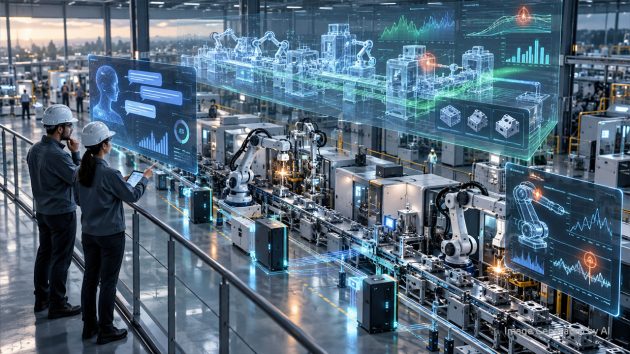
Smart Manufacturing

10 Ways Robotics Leads to Stronger Manufacturing
Manufacturing is second only to medicine as the most time-sensitive business there is, with the livelihoods of every employee hanging in the balance. Simply put, manufacturers live and die by how well they manage time, resources,…

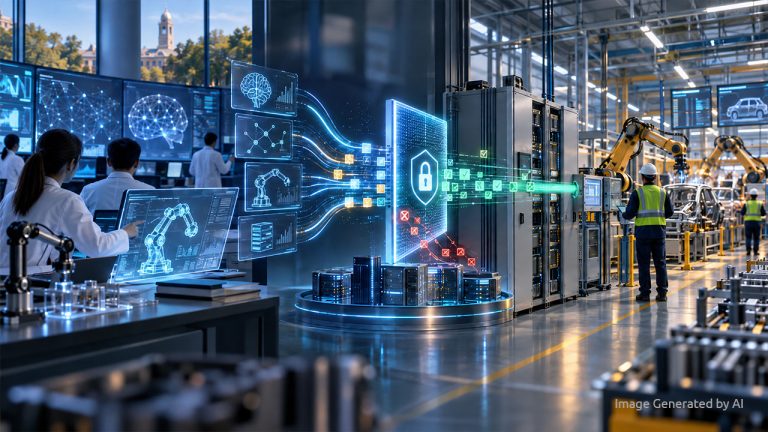
How can AI be used to improve cybersecurity in manufacturing?
AI-driven cybersecurity tools can help manufacturers by enabling use cases like anomaly detection, spotting potential insider threats and access anomalies, and finding malicious patterns in network traffic. These tools can analyze data much faster than humans and…

How low-code tools are reshaping manufacturing operations
In today's manufacturing landscape, complexity and rapid changes necessitate innovative solutions to stay competitive. Low-code tools are emerging as a powerful means to simplify processes, enhance decision-making, and boost efficiency across the shop floor. This article…
Data Integration: The Cornerstone of IIoT and AI in Industry
Data integration is a critical component for realizing the full potential of the Industrial Internet of Things (IIoT) and Artificial Intelligence (AI) in industrial settings. By enabling the aggregation and analysis of data from various sources,…

Understanding Unified Namespace: Seven Key Questions Answered
What is a Unified Namespace? A unified namespace (UNS) is a single point of access for manufacturing data, such as order information, historical information, telemetry information, and execution information. It aggregates, standardizes, organizes, and contextualizes data from…
From Imagination to Implementation: Gen AI’s Revolutionary Role in Manufacturing
Curious about how generative AI can enhance your manufacturing operations? Our latest digital booklet, "From Imagination to Implementation: Generative AI's Revolutionary Role in Manufacturing," offers a practical guide to understanding and applying this innovative technology. Generative…

What are the risks of using AI in manufacturing?
Artificial intelligence promises transformative gains for manufacturers, but deploying AI on the shop floor introduces risks that many organizations underestimate. IIoT World examines the most critical challenges facing industrial AI adoption: poor data quality that produces…

Preparing for the AI-Driven Future in Manufacturing: Strategies for Business Leaders
As artificial intelligence (AI) continues to revolutionize industries, leaders must prepare their organizations to harness AI's potential for value generation. This involves not only adopting new technologies but also fostering a culture of innovation and continuous…
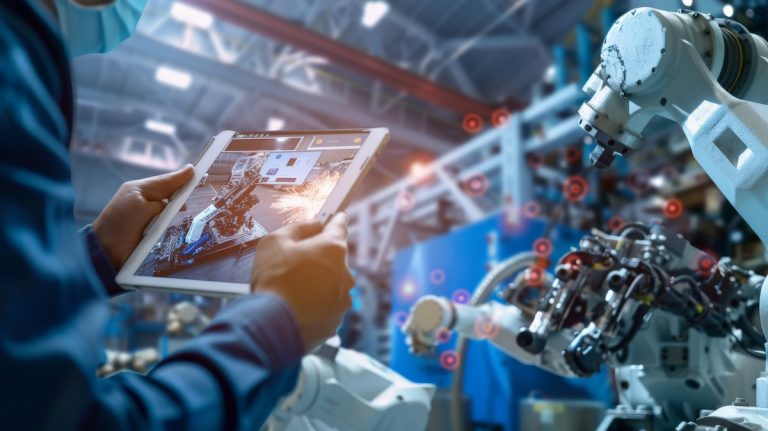
Toyota’s Two-Pronged Approach to IIoT
Toyota's investment in the Industrial Internet of Things (IIoT) is characterized by a strategic, two-pronged approach that balances long-term digital transformation initiatives with smaller, immediate-impact projects. This method not only drives substantial technological advancements but also…

Navigating Regulatory and Technological Shifts in IIoT Security
The Industrial Internet of Things (IIoT) has revolutionized manufacturing, offering unprecedented connectivity and efficiency. However, this connectivity brings significant cybersecurity challenges. As manufacturers integrate IIoT into their operations, understanding and navigating regulatory and technological shifts becomes…
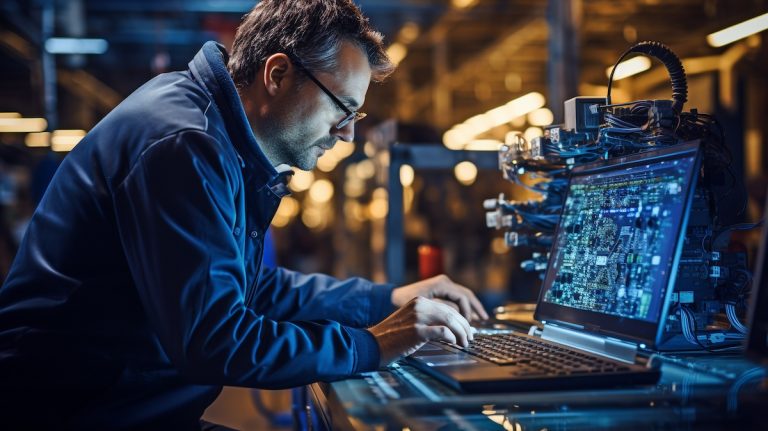
Low-Code Tools Empower Shop Floor Workers and Improve Efficiency
In the dynamic world of manufacturing, complexity, and rapid changes present significant challenges. Innovative solutions such as low-code tools and open-source software are transforming the industry, making it more efficient and adaptable. This article explores how…
From Pilot to Plant-Wide: Ensuring Scalable AI Solutions in Manufacturing
In the rapidly evolving manufacturing sector, digital transformation is not just a trend but a necessity. Leveraging technologies such as AI and machine learning (ML) can lead to significant improvements in efficiency, quality, and decision-making. However,…