Smart Manufacturing

Leveraging Technology for a More Agile and Integrated Manufacturing Future
The manufacturing industry is undergoing rapid transformation, with digital tools and platforms playing a crucial role in optimizing processes and improving efficiencies. PCG, in collaboration with Tulip, is at the forefront of this revolution with its Smart…
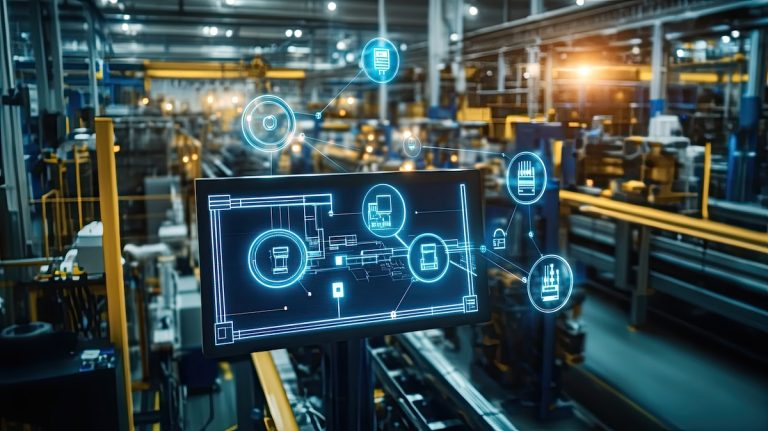
Open Ecosystems and the Future of Manufacturing Technology
This article explores the concept of open ecosystems in manufacturing technology, drawing from insights shared by Roey Mechrez, Head of Ecosystem, Tulip, in a recent interview. Open ecosystems are critical for innovation in manufacturing technology because…
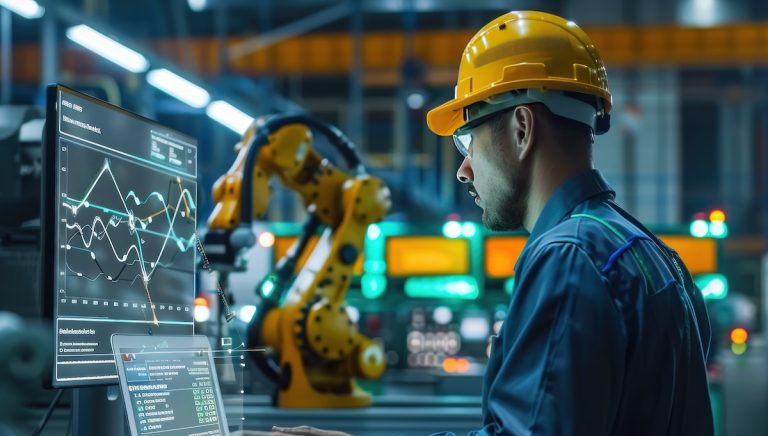
AI, Low-Code, and the Evolving Manufacturing Job Market
As Artificial Intelligence (AI) and low-code technologies continue to revolutionize the manufacturing sector, the narrative surrounding job roles is shifting. Rather than leading to the outright replacement of jobs, these advancements are fostering an evolution of…
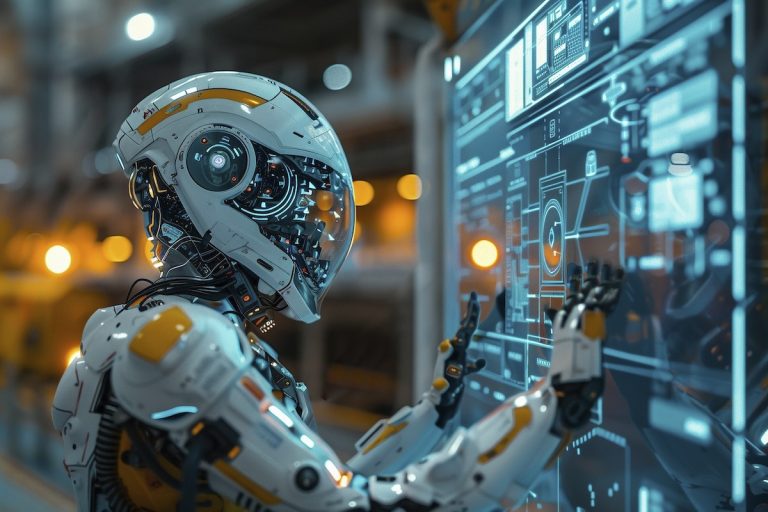
AI-Driven Process Optimization in Manufacturing
AI is reshaping the manufacturing landscape, with process optimization emerging as one of its most promising applications. In the current industrial climate, factories face multiple challenges, including labor shortages and the increasing complexity of production demands.…

How Is Industry 4.0 Transforming Manufacturing and Supply Chain Management Globally?
As per many historians and economists, the second half of the 18th century was one of the most crucial periods in human history as the inventions and developments in this period led to the start of…
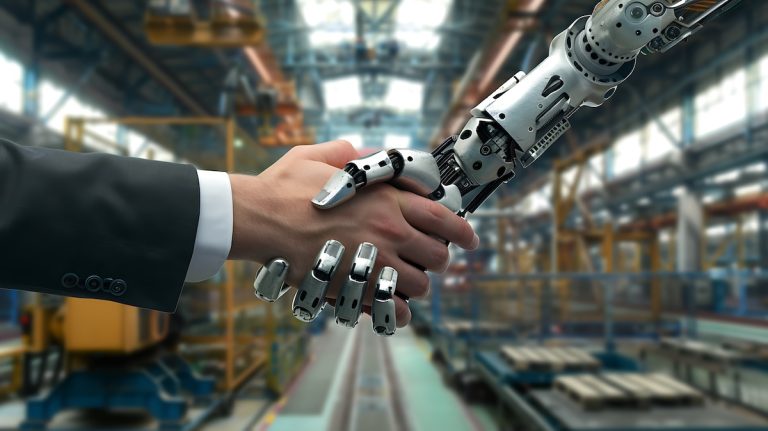
The Untapped Potential of AI: Moving Beyond Automation to Empower Humans in Manufacturing
The current AI discourse in manufacturing often revolves around automation and the potential displacement of human workers. While these are valid concerns, focusing solely on them overshadows a significant, yet often overlooked, opportunity: leveraging AI to enhance…

Bossard’s Journey to Industry 4.0: Smart Solutions for Modern Manufacturing
In a live interview at IMTS 2024, Greg Orloff from IIoT World spoke with Eric Barfels, Director of Business Development, and Andrew Benson, Applications Engineer, from Bossard. They discussed the company's evolution from its humble beginnings…
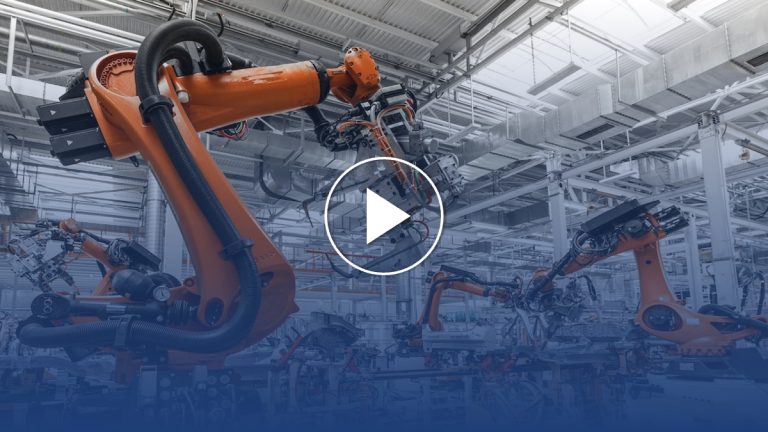
Simplifying Robotics for Small and Medium-Sized Manufacturers with Olis Robotics
At IMTS 2024, Greg Orloff from IIoT World had the opportunity to sit down with Fredrik Rydén, CEO of Olis Robotics, to discuss the challenges small and medium-sized manufacturers face when adopting robotics and automation. Fredrik…
Revolutionizing Manufacturing: The Human-Centric Approach to Digital Transformation
Industrial manufacturing is facing a crossroads. As demand grows and supply chains evolve, manufacturers are pressured to maintain high quality while adapting to rapid technological advancements. The solution? Digital transformation—but not in the way you might…

What skills do frontline workers need for low-code tools?
Frontline workers already use smartphones for various tasks such as banking and ride-hailing, demonstrating a widespread digital fluency that translates to using low-code tools. This familiarity with technology provides a solid foundation for adopting low-code platforms. Low-Code…

Scalability in No-Code Solutions: Balancing Flexibility and Control
Scalability in no-code solutions is crucial for adapting to changing business needs, handling large data volumes, and empowering various users without overwhelming existing IT infrastructure or creating security risks. It's not simply about the vendor's capacity to…

[Case Study] Building a Scalable Data Architecture for Seamless Industry 4.0 Integration
This case study highlights how Siemens Gamesa, a global leader in the renewable energy industry, addressed data integration challenges stemming from a merger. The merger of Siemens's Wind Power Division with Gamesa Corporación Tecnológica resulted in…