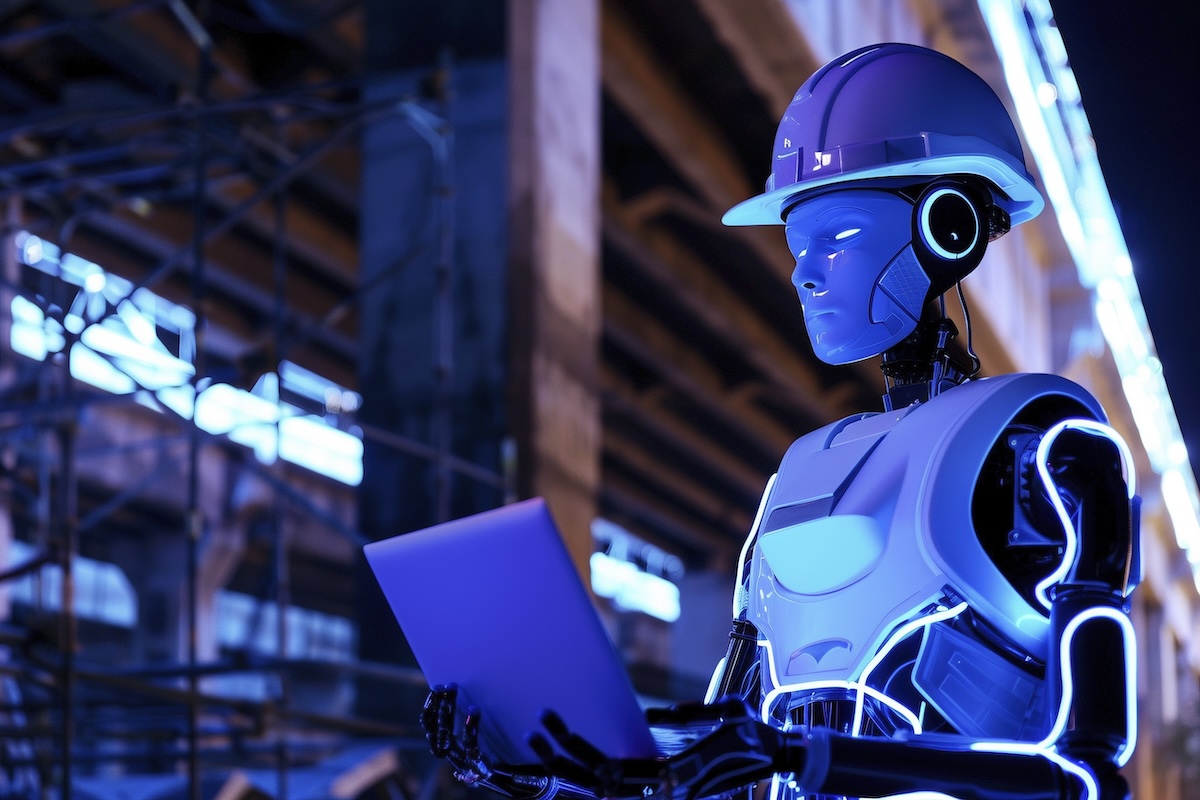
Artificial intelligence promises transformative gains for manufacturers, but deploying AI on the shop floor introduces risks that many organizations underestimate. IIoT World examines the most critical challenges facing industrial AI adoption: poor data quality that produces unreliable models, cybersecurity vulnerabilities introduced by connected systems, workforce displacement concerns, algorithmic bias in quality inspection, and the operational dangers of over-relying on black-box decision-making. Understanding these risks is the first step toward building responsible, resilient AI programs in manufacturing environments.
Even if AI is not used maliciously, there are still risks associated with using AI in manufacturing. As AI models and algorithms become more complex, they may become opaque to the people who manage them. This opacity could make it difficult to troubleshoot problems or understand why the AI is making certain decisions. If a system goes haywire, the people on the site will need to know how to manage and troubleshoot it. This is especially important in manufacturing, where productivity and safety are critical.
Trust is paramount when it comes to using AI in manufacturing. Generative AI will need to fit into existing human cultures around processes. These cultures are risk-averse for good reason, as decisions in these environments can directly impact safety. Control system environments often use apprentice-like systems to ensure workers are properly trained and trusted by their peers, especially when safety is on the line. AI will need to be integrated in a way that builds similar trust.
Another risk is that threat actors will leverage AI to target manufacturers. Ransomware actors are constantly innovating and creating new tools. They could use AI to develop more sophisticated attacks that are harder to defend against. For example, they could use AI to automatically detect, triage, process, or even sandbox disruptive attacks like zero-day or malware attacks. This could allow them to launch attacks at a speed that doesn’t even cause a noticeable disruption.
AI could also be used to redirect attacks into virtualized twin environments. This would allow threat actors to test their attacks without risking detection. They could then use this information to launch more effective attacks in the future.
Ultimately, using AI in manufacturing is a cat-and-mouse game between operators, defenders, and threat actors. Any defensive measures taken can be observed and potentially exploited by malicious actors.
Source: “Beware of Bad Actors | Leveraging AI-Powered Threat Intel to Keep Industrial Systems Safe and Available” session sponsored by Fortinet at IIoT World Manufacturing Days. This is an excerpt from the discussion summarized by notebooklm based on the session’s video transcript. It was verified and edited by IIoT World’s team. For more insights, watch the session on-demand.
FAQ
1. What is the biggest risk of deploying AI in manufacturing?
The most common and damaging risk is poor data quality. Manufacturing AI models depend on clean, consistent, and contextual data from sensors, historians, and MES systems. When training data contains gaps, mislabeled events, or sensor drift, the resulting models produce false positives, missed detections, and unreliable predictions. Organizations that skip data quality assessments before AI deployment often spend more time troubleshooting models than benefiting from them.
2. How can manufacturers mitigate cybersecurity risks from AI systems?
AI systems expand the attack surface because they require network connectivity, cloud endpoints, and data pipelines that bridge IT and OT environments. Manufacturers should apply defense-in-depth principles: segment AI workloads from critical control networks, encrypt data in transit and at rest, implement role-based access controls on model training environments, and continuously monitor AI inference endpoints for anomalous behavior. Regular penetration testing of AI infrastructure should be part of the OT cybersecurity program.
3. Does AI in manufacturing cause workforce displacement?
AI changes job roles more than it eliminates them. Repetitive inspection and data entry tasks may be automated, but new roles emerge in AI model supervision, data engineering, and human-machine teaming. Manufacturers that invest in upskilling programs report higher retention and smoother AI adoption. The key risk is not displacement itself but failing to plan for the transition, which creates resistance and slows adoption.