
Smart Manufacturing

AI as a Skill Multiplier in Manufacturing, Not a Replacement
The manufacturing skills gap continues to grow. Rather than viewing AI as a wholesale replacement for human labor, forward-thinking manufacturers are deploying it as a skill multiplier , amplifying the expertise of existing workers so that…
Why AI Success in Manufacturing Starts with Leadership, Not Code
Most conversations about AI in manufacturing focus on algorithms, data pipelines, and compute infrastructure, but the evidence increasingly points to a different success factor: leadership. According to industry research, over 70% of AI pilot projects in…
The Hidden Advantage of Generative AI in Manufacturing: Speed, Not Just Smarts
Generative AI in manufacturing cuts AI deployment costs by up to 40 times compared to conventional methods, according to experts from IBM and Prometheus Group at IIoT World's 2024 session on Revolutionizing Asset Management. Pre-trained foundation…

How Virtual PLCs Are Changing the Way Factories Operate
Manufacturers are moving control systems off physical hardware and into virtual environments to reduce downtime, lower costs, and respond faster to production needs. As industrial automation evolves, more manufacturers are looking to virtualization—not just for analytics…

How Oil & Gas Operators Are Enabling Remote-First, Low-Touch Operations
A Practical Shift Toward Remote Operations Oil and gas operators are running offshore platforms from onshore control rooms today, not in a future pilot. In Norway, fully remote onshore control rooms manage offshore platforms using IIoT…
The AI Gap: Can Manufacturing Keep Up With the Pace of Innovation?
Manufacturing faces a widening AI readiness gap: AI capability is doubling every 3.5 months, a 100x improvement in a single year, according to data cited during an IIoT World panel session. Yet industrial adoption remains slow…
How Generative AI Is Solving the Manufacturing Skills Gap
The manufacturing skills gap is no longer a looming crisis; it is a present reality. As experienced workers retire and skilled talent becomes harder to find, manufacturers need solutions that scale faster than traditional training programs.…

The Startup Edge: How a New Generation of Innovators Is Rewiring Smart Manufacturing
You can tell something's shifting in manufacturing—not by the headlines, but by the way small teams are solving problems that used to be ignored. At IIoT World’s Manufacturing Day in May 2025, a group of founders…
From Pilots to Progress: How Manufacturers Can Scale MES and Industry 4.0 Initiatives the Right Way
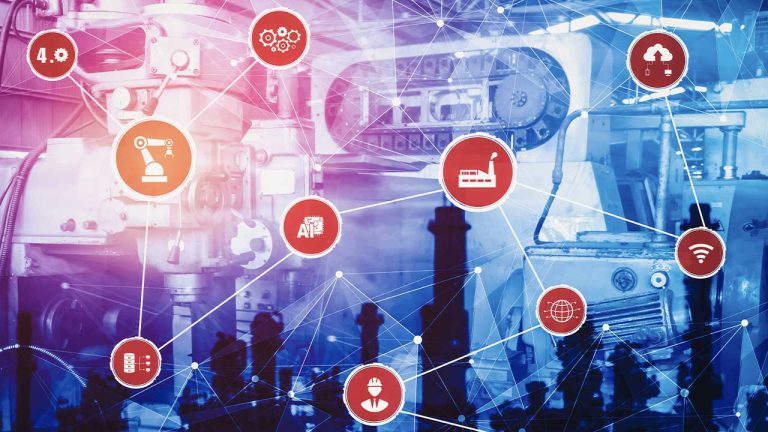
At the MES & Industry 4.0 event in Porto, Jeff Winter, VP of Business Strategy at Critical Manufacturing, outlined a practical roadmap for manufacturers ready to move beyond experimentation and into scalable transformation. Start with a…

A Source of Industry Inspiration: Inside Škoda Auto’s Manufacturing Transformation
Interview with Andreas Dick, Member of the Board for Production & Logistics at Škoda Auto Škoda Auto, a Volkswagen Group brand, was founded in 1895—making it one of the oldest car manufacturers still in operation today.…

Aligning People, Data, and Priorities: A Real-World Strategy for Scaling Digital Manufacturing
At the MES & Industry 4.0 Summit in Porto, May Yap, Senior Vice President and Chief Information Officer at Jabil, offered a clear message for manufacturers navigating global digital transformation: technology isn’t the hard part—alignment is. Across…
Rethinking MES Architecture for the Age of AI and Edge Computing
Traditional Manufacturing Execution Systems were designed for a world where data flowed in one direction, from the shop floor up to enterprise dashboards, in batch intervals measured in minutes or hours. That architecture cannot support the…