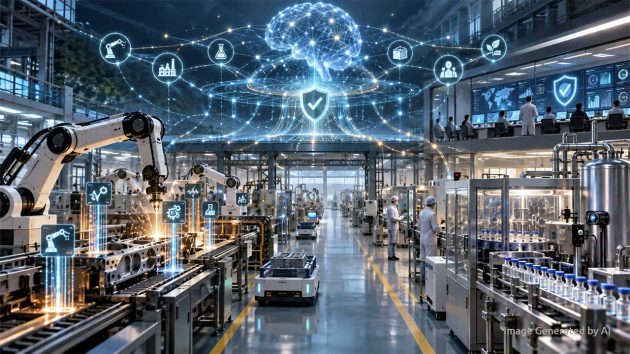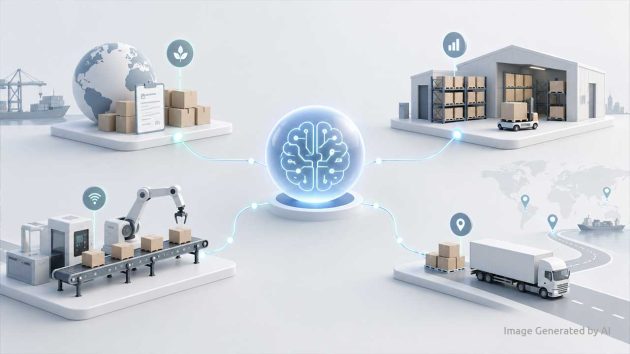
The convergence of artificial intelligence, open automation platforms, and sustainability mandates is reshaping how manufacturers design, operate, and optimize production systems. In this guide, IIoT World explores the practical pathways connecting AI-driven decision-making to measurable environmental outcomes, from energy consumption reduction and predictive waste minimization to closed-loop quality control. Readers will learn how open system architectures accelerate AI deployment by eliminating vendor lock-in, why autonomous manufacturing cells outperform traditional automation in resource efficiency, and what metrics leading plants use to track sustainability ROI alongside throughput gains.
Industrial operations are at a pivotal moment, where sustainability, autonomy, and efficiency are no longer optional but essential. Schneider Electric leads this transformation through software-defined automation, AI-driven solutions, and open systems. Andre Babineau explains how these technologies reshape manufacturing, making operations more flexible, sustainable, and future-proof.
Decoupling Software from Hardware: The Shift to Open Automation
A key trend Babineau highlights is software-defined automation, where industrial control systems are no longer tied to proprietary hardware. Traditionally, automation vendors locked their software to their own controllers. Schneider Electric is breaking this mold by ensuring its EcoStruxure Automation Expert can run on any hardware, even from competitors. This shift allows manufacturers to choose the best solutions without vendor lock-in, making systems more adaptable over time.
Future-Proofing Operations and Eliminating Obsolescence
One of the biggest challenges in industrial environments is obsolescence. Most manufacturers still rely on legacy systems, making upgrades costly and disruptive. Schneider Electric’s approach ensures that both hardware and software can be upgraded seamlessly without downtime. By leveraging IT-based orchestration techniques, companies can modernize operations without scrapping years of investment in intellectual property.
AI-Driven Circularity: Reducing Industrial Waste
Sustainability is at the core of Schneider Electric’s strategy. AI plays a crucial role in circular economy initiatives. Babineau explains that AI-based design principles are embedded into Schneider Electric’s products, ensuring that manufacturing processes are optimized for minimal environmental impact.
Balancing AI Autonomy with Human Oversight
With AI becoming integral to real-time industrial decision-making, manufacturers are grappling with how much autonomy to allow. Babineau emphasizes that trust in AI systems is critical. Schneider Electric enables manufacturers to gradually transition to AI-driven automation, allowing them to choose their level of autonomy. Companies can either let AI take full control or have a “human-in-the-loop” approach, where operators validate AI-driven decisions before execution.
The Role of Open Automation in Industrial Innovation
Schneider Electric strongly advocates open automation, believing that proprietary systems slow down innovation. The company has been an active leader in the Universal Automation Organization (UAO) and a key participant in the Open Process Automation Forum (OPAF). These initiatives promote the use of common, interoperable standards, allowing industrial systems from different vendors to work seamlessly together.
Margo: Expanding Open Standards Beyond Control Systems
Beyond automation, Schneider Electric is also shaping the future of cross-platform industrial connectivity through Margo. While OPAF focuses on standardizing the control layer, Margo extends interoperability into AI-driven applications and enterprise-wide digital transformation. This initiative ensures that AI, automation, and data analytics can work together across different industrial ecosystems, eliminating silos and unlocking new efficiencies.
The future of industrial automation is open, AI-driven, and software-defined. Schneider Electric’s commitment to flexible, interoperable, and sustainable solutions is paving the way for a new era in manufacturing. As companies move toward smart, autonomous systems, embracing open standards and AI-powered automation will be essential for long-term competitiveness and resilience.
Sponsored by Schneider Electric
FAQ Section
1. How is Schneider Electric decoupling software from proprietary hardware in automation?
Schneider Electric ensures its EcoStruxure Automation Expert runs on any hardware, including competitors’ equipment. This approach allows manufacturers to choose optimal solutions without vendor lock-in. Using IT-based orchestration techniques, companies can modernize operations without scrapping existing intellectual property investments.
2. What open automation organizations does Schneider Electric participate in?
Schneider Electric actively participates in the Universal Automation Organization (UAO) and the Open Process Automation Forum (OPAF), promoting interoperable standards. Beyond the control layer, Schneider Electric also shapes cross-platform industrial connectivity through Margo, which extends interoperability into AI-driven applications.
3. How does Schneider Electric address the balance between AI autonomy and human oversight?
Schneider Electric enables gradual transitions to AI-driven automation, allowing companies to choose their level of autonomy. Manufacturers can opt for either full AI control or human-in-the-loop validation before execution. Trust in AI systems is identified as a critical factor in determining the appropriate level of autonomy.
Related from IIoT World: