As energy storage systems (ESS) move from niche pilot projects to the backbone of the modern grid, a critical realization has emerged: the hardware is only as good as the software managing it. While a battery’s chemistry determines its potential, its Industrial IoT (IIoT) architecture determines its actual value and lifespan.
In the transition to a decentralized grid, energy storage units are dynamic, high-stakes participants in a digital ecosystem that must balance efficiency with long-term survival.
-
From Manufacturer Specs to Operational Reality
Standard battery “scorecards”, parameters like round-trip efficiency and self-discharge, are often measured in controlled environments. However, once a battery is tied to the grid, its performance is dictated by its use-case profile.
For instance, a battery used for “renewable smoothing” (managing the immediate fluctuations of wind or solar) faces a completely different degradation curve than one used for “peak shaving.” IIoT provides the granular, real-time telemetry, tracking internal temperature, voltage fluctuations, and charge cycles, that allows operators to move beyond theoretical specs and manage the operational reality of the asset.
-
The Predictive Life-Cycle: Managing Degradation
The greatest risk to any energy storage investment is premature degradation. Every discharge cycle is a chemical event that slowly “ages” the battery. Without IIoT-driven analytics, operators are flying blind, often over-discharging assets to meet immediate grid demands at the cost of years of future service.
Modern IIoT frameworks allow for predictive monitoring. By analyzing data on the fly, systems can suggest “intelligent dispatch” strategies, adjusting how and when a battery is used to optimize its state of health (SoH). This isn’t just about maintenance; it’s about protecting the multi-million dollar ROI of the storage system.
-
Scaling Through Interoperability
As grids become more complex, the challenge is managing thousands of distributed assets. This requires OT/IT convergence, the seamless flow of data from the physical hardware (Operational Technology) to the analytical cloud (Information Technology).
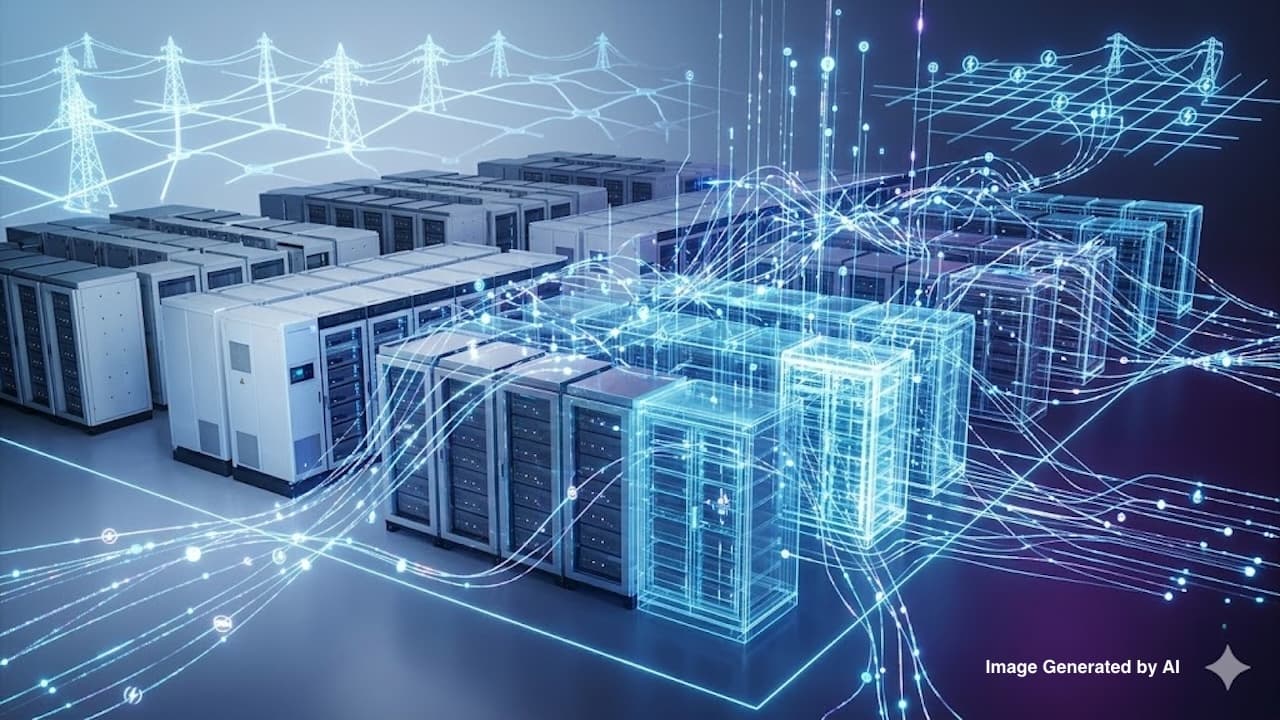
The goal is to create a “digital twin” of the entire storage network. With this digital oversight, utilities and industrial prosumers can:
- Balance the Grid: Synchronize discharge across multiple sites to stabilize local voltage.
- Automate Fault Management: Identify anomalies in a single cell before they lead to a system-wide failure.
- Maximize Revenue: Use real-time grid pricing data to automate energy arbitrage, buying low and selling high with surgical precision.
The Standardized Future
The next phase of energy storage will be defined by standardized use-case profiles. By moving toward an application-first approach, the industry can finally conduct “apples-to-apples” comparisons of different technologies, ensuring that every kilowatt of storage is deployed where it can do the most good for the longest time.
Join Us for IIoT World Energy Day 2026
- Free tickets are available for a limited time.
- Date: May 19, 2026. Virtual only, 8 AM – 3 PM ET.
Register Now for IIoT World Energy Day 2026
Thank you to Sherif Abdelrazek, Alison Wise, Stephane Gervais, and Joseph Nyangon for participating in our IIoT World Energy events. This article is grounded in the insights shared during the “How to Use IIoT to Grow the Energy Storage System” session.
Frequently Asked Questions: Digital Twins & IIoT for Energy Storage
1. How do digital twins and IIoT optimize energy storage systems?
Industrial IoT (IIoT) and digital twins optimize energy storage by providing real-time telemetry and predictive monitoring. By creating a digital twin of a storage network, operators can track internal temperatures and charge cycles to automate fault management, perform precise energy arbitrage, and maximize the overall lifespan of the system.
2. How does IIoT prevent battery degradation in energy storage?
Premature degradation is the biggest risk to energy storage ROI. IIoT frameworks prevent this by analyzing real-time data to implement “intelligent dispatch” strategies. Instead of over-discharging to meet immediate grid demands, the system adjusts how and when a battery is used based on its specific use-case profile, protecting its State of Health (SoH).
3. What is the role of OT/IT convergence in grid stabilization?
OT/IT convergence seamlessly connects physical battery hardware (Operational Technology) with cloud-based analytics (Information Technology). This allows utilities to manage thousands of distributed energy assets as a single digital ecosystem, synchronizing discharge across multiple sites to stabilize local voltage and smooth out renewable energy fluctuations.
About the author