
The Future of eMobility
The transition to e-mobility is gaining pace. As countries around the world sharpen their focus on lowering carbon emissions, there are more electric vehicles (EVs) on the road than ever before. The Growing Need for Future…

The transition to e-mobility is gaining pace. As countries around the world sharpen their focus on lowering carbon emissions, there are more electric vehicles (EVs) on the road than ever before. The Growing Need for Future…
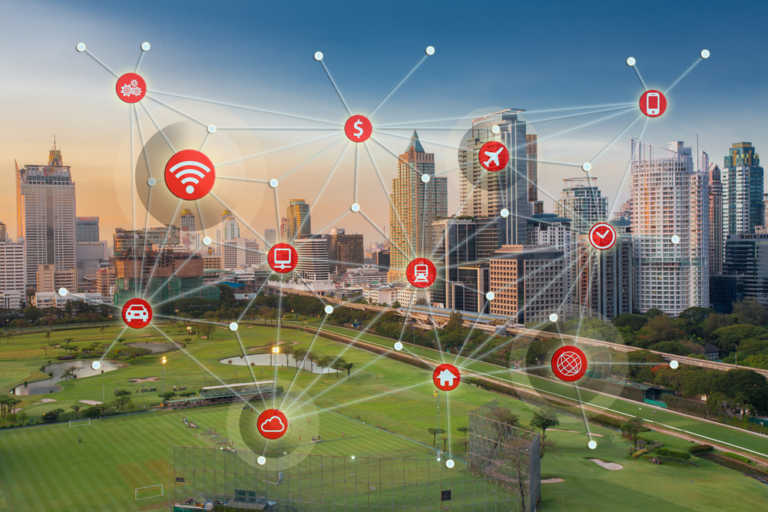
Cities worldwide face mounting pressure from population growth, aging infrastructure, and climate targets, yet two problems consistently top the priority list for urban planners: traffic congestion and energy inefficiency. In this IIoT World guide, we examine…
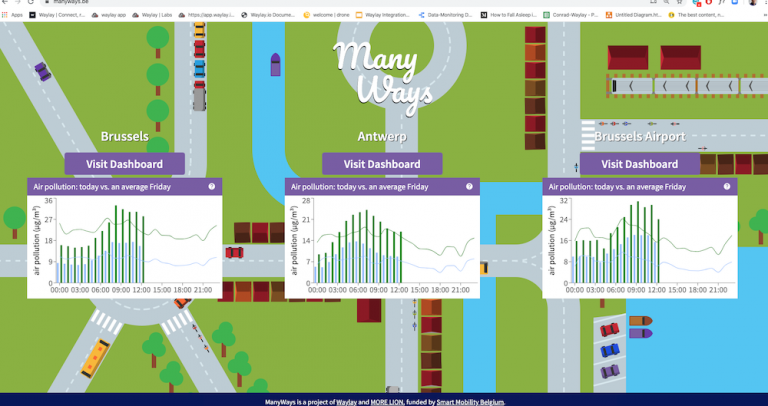
Throughout the whole of last year (2019), we used multiple open data sources to collect data such as highway traffic, air quality, weather, bike rental, car sharing and public transport data, parking space occupancy and much…

Did you know that, right now, 55% of the world’s total population lives in cities? And that percentage is expected to reach 70% by 2050. That means that urban areas will have no choice but to…
The coronavirus COVID-19 pandemic has disrupted cities and communities worldwide. Although cities, communities and governments have some emergency and disaster response plans, the scale of the outbreak has strained their re-sources and capabilities. Smart City technologies,…

The coronavirus COVID-19 pandemic has disrupted cities and communities worldwide. From the loss of lives and interruption of essential day-to-day services, to disruption of the global economy, no one person, organization, or country is spared. Cities…

Leading Cities, in partnership with QBE North America, is pleased to announce the launch of The QBE AcceliCITY Resilience Challenge powered by Leading Cities. The Challenge was developed to help accelerate innovations that foster a more…
The coronavirus COVID-19 pandemic has had a devastating and disruptive impact on cities and communities worldwide. From the loss of lives, interruption of essential day-to-day services, to disruption of the global economy, no one person, organization…
Smart buildings incorporate advanced digital technologies, algorithms and analytics, to bring new and significant value to tenants, building owners and operators. These benefits range from increased tenant productivity and safety, lower operating costs, and higher satisfaction.…

Next generation technologies, such as the Internet of Things (IoT), artificial intelligence (AI), 5G, and data science, are poised to transform today’s cities into advanced smart cities. These cities are more resilient, safer, healthier, economically vibrant,…

What are smart water meters? Smart water meters are pieces of advanced infrastructures that create a two-way interaction with the information management system of utilities. Hence, these meters enable customers and water suppliers to share information…

Over the past century, the world’s population has increasingly moved to live in cities. According to a June 2018 report from McKinsey & Company, cities are now “home to more than half of the world’s population,…