The race in CNC machining is no longer about who has the fastest spindle—it’s about who can validate reality before cutting metal.
Across global manufacturing, digital twin technology is emerging as a quiet disruptor, letting engineers simulate machines, verify programs, and train workers in a zero-risk environment.
As Siemens’ Dave Morley explained during CXO Insights, digital twins are now the backbone of the next wave in precision manufacturing, closing the skills gap and enabling smarter, leaner, and faster production cycles.
Why Is CNC Simulation Replacing Real-Machine Testing?
CNC operations face a double pressure: a shrinking workforce and growing demand for high-mix, low-volume precision parts. Traditional approaches—manual setup, real-machine testing—are too slow and too costly.
That’s why manufacturers are moving the first phase of production to the digital floor.
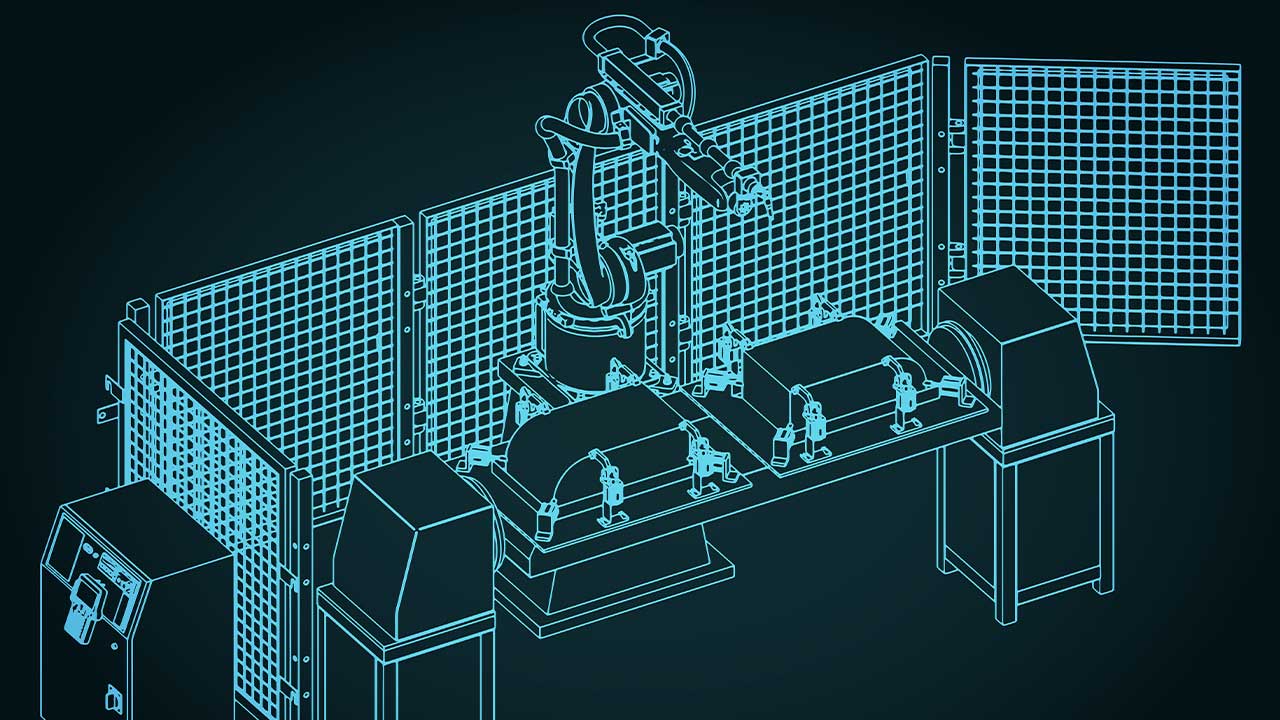
By building a one-to-one model of the machine—complete with kinematics, control logic, and tooling—engineers can run every program virtually, catching collisions and inefficiencies before they reach the spindle.
A crash in the virtual world costs nothing; a crash on the floor can wipe out a week’s margin.
How Do Digital Twins Make CNC Bidding More Precise?
Digital twins are also changing how manufacturers quote and win projects.
In one aerospace case, a supplier used a virtual replica of a new CNC machine to simulate a large turbine casting operation. Within hours, they had precise cycle times, tooling costs, and profit projections—enough to bid with confidence and undercut competitors.
They didn’t just promise capability; they showed the customer the entire machining process virtually.
That level of transparency is becoming a decisive edge in high-value manufacturing contracts.
How Do CNC Digital Twins Reduce Energy Use Per Part?
Modern CNC systems are integrating real-time analytics and adaptive control, giving digital twins a second life once machines go live.
Software now reads spindle torque in milliseconds and adjusts feed rates automatically—speeding up where possible, slowing down when tool wear increases.
The impact?
- Lower energy use per part
- Longer tool life
- Reduced scrap and rework
This feedback loop between virtual and physical performance links precision with sustainability—a metric OEMs and Tier 1s increasingly measure when awarding contracts.
How Should Small Manufacturers Start with CNC Digital Twins?
Digitalization doesn’t mean tearing out existing systems.
For small and mid-size CNC shops, the smartest path is to pick one workflow—for instance, part-program validation or operator training—and virtualize that first.
Once the ROI is proven, expand to machine optimization, quoting, or predictive maintenance.
The key is not adopting every new tool, but building one digital thread that connects design, simulation, and production data.
As Dave Morley puts it, “Start small, but start. The cost of waiting is being priced out of the market.”
This article was written based on the video interview with Dave Morley, Sales Manager – Americas, Siemens Digital Industries.
Related articles:
- Building Resilience Step by Step: Practical Adoption of Digital Twins
- The Coming Revolution of Digital Twins
FAQ
1. What is a CNC digital twin and how does it work?
A CNC digital twin is a virtual replica of a physical machine tool that allows engineers to simulate programs, catching collisions and inefficiencies before they reach the spindle. A crash in the virtual world costs nothing, while a crash on the shop floor halts production.
2. How do digital twins improve CNC bidding accuracy?
Virtual machine replicas allow manufacturers to calculate precise cycle times, tooling costs, and profit projections within hours rather than days. One aerospace supplier used this digital twin approach to bid on high-value contracts with data-backed confidence, gaining a competitive advantage over shops still relying on manual estimates and approximations.
3. How do CNC digital twins reduce energy consumption?
Modern CNC simulation systems integrate spindle torque analytics with adaptive control algorithms, automatically adjusting feed rates during machining operations. The measured results include lower energy use per part, longer tool life from reduced stress on cutters, and reduced scrap from optimized cutting parameters applied before the first chip is cut.
4. How should small and mid-size manufacturers start with CNC digital twins?
The recommendation is to pick one workflow and virtualize that first, then build incrementally rather than adopting all digital twin tools simultaneously. Starting small on a single CNC process lets manufacturers prove measurable value and build internal confidence before expanding simulation to additional machines and production lines.
Related Reading
How AI and the Digital Thread Improve Machine Tool Systems
The End of “Rip and Replace”? Why the Future of Manufacturing is Software-Defined