In April 2020, half of the world’s population was in lockdown — yet critical infrastructure still had to run. Chemical plants, glass facilities, refineries, and energy systems couldn’t pause. Equipment still failed. Processes, drifted, and operators needed expert support. But the experts were home.
This single moment, according to Tony White — who leads the U.S. Chemical, Glass, and Energy vertical at Siemens — fundamentally changed the trajectory of manufacturing.
“Machines still went down. Subject matter experts all around the world could not travel. We had to create new ways to solve problems.”
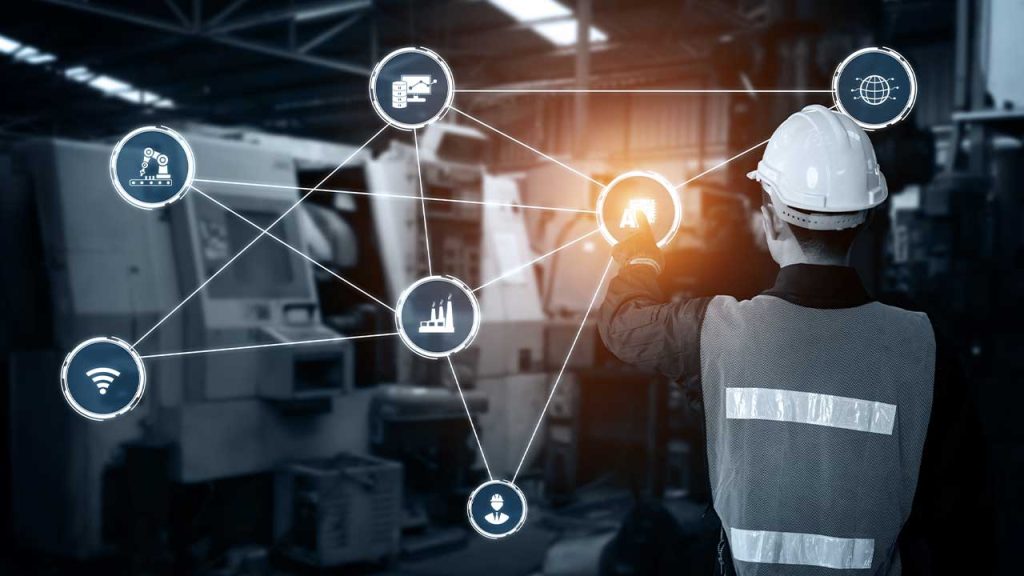
What emerged under pressure became one of the most transformative shifts in modern industrial operations: the rise of the connected, digitally augmented workforce.
A Crisis That Forced Reinvention
Before 2020, remote support in manufacturing was a nice-to-have — occasionally used, often questioned, rarely strategic. Operator roles were tied tightly to physical presence, tribal knowledge, and years of accumulated experience passed down on the plant floor.
But lockdowns shattered that model.
Manufacturers suddenly needed tools that could:
- Bring experts into a facility without physically being there
- Guide workers through complex tasks in real time
- Maintain uptime with fewer people onsite
- Capture knowledge from senior staff who couldn’t travel
The result was a rapid adoption of technologies Tony describes as “innovative new ways to solve problems” — including collaborative work platforms, augmented reality, remote assistance through devices like Google Glass, and connected worker systems that enabled troubleshooting from anywhere.
This wasn’t digital transformation by choice. It was a digital transformation by necessity.
And it worked.
The Birth of Distributed Expertise
Once manufacturers saw that remote experts could:
- Diagnose issues
- Walk operators through repairs
- Perform inspections
- Provide oversight
- Restore systems quickly.
Without flying across the country, the old model no longer made sense.
Tony explains it simply:
“Now you can find the best resources wherever they may be and bring them into the issue with one click.”
This is the moment the industrial workforce became distributed — not because industries wanted to innovate, but because they had no alternative.
Today, that shift has stuck.
Connected worker technologies are no longer emergency tools; they are now strategic assets for:
- Reducing training time
- Improving safety
- Closing knowledge gaps
- Supporting high turnover
- Maintaining continuity as veteran workers retire
And that last point matters more than ever.
The Workforce Crisis Meets the Connected Worker
Tony highlights alarming workforce data:
- Average time on the job dropped from 7 years to 3 years
- Workers often leave before completing full training
- This “reduction in time on task” has contributed to preventable fatalities
This creates a dangerous skill gap — and connected worker technology is becoming the bridge.
Instead of relying solely on tribal knowledge passed slowly from senior operators to juniors, manufacturers are now:
- Delivering expert guidance instantly through digital tools
- Reducing cognitive load by prioritizing alarms
- Providing situational awareness through intelligent interfaces
- Shortening training cycles dramatically
In an environment where losing a worker after six months is common, companies can no longer depend on long apprenticeship cycles. Connected worker systems bring veteran expertise directly to new hires — even when the veterans aren’t on-site.
A New Era of Industrial Work
The pandemic didn’t just accelerate digital adoption; it rewrote the rulebook for how industrial workforces operate.
Three permanent shifts emerged:
- Expertise is no longer tied to geography
The best engineer can support the plant, whether they’re across the country or across the world.
- Technology now amplifies operators rather than replaces them
Workers have access to real-time guidance, prioritized information, and remote support — reducing cognitive load and improving safety.
- Workforce transformation is now a strategic imperative
And it all started with a moment in April 2020 that forced the entire industry to reinvent how work gets done.
The Most Underrated Transformation in Manufacturing
While digital twins, AI, and data platforms often dominate industry headlines, the most profound — and human — transformation may be this shift toward connected, augmented, distributed work.
The pandemic didn’t just accelerate remote work for office employees; it accelerated remote expertise for industrial operators.
This is the transformation that will shape productivity, safety, and workforce readiness for the next decade.
And it began with one question:
How do we keep critical infrastructure running when no one can come on-site?
Manufacturing answered, and it changed everything.
Sponsored by Siemens.