
Smart Manufacturing

Inside the Future of Manufacturing: What End Users in CPG and Life Sciences Need to Know Now
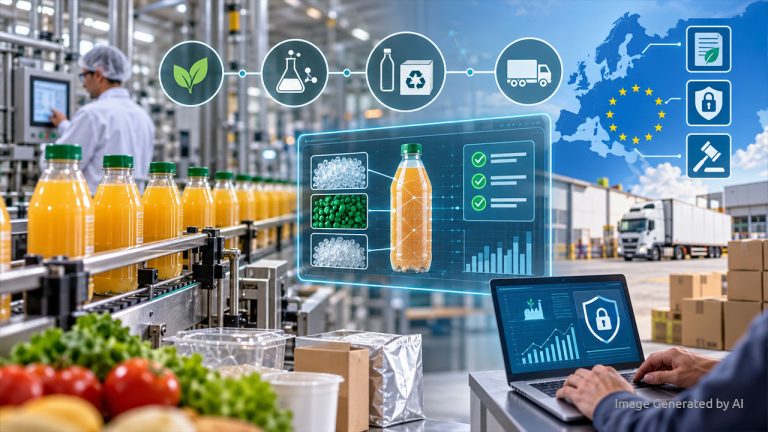
At Automate Show 2025, one key theme echoed across the exhibit halls: industrial end users in consumer-packaged goods (CPG) and life sciences are under growing pressure to produce faster, smarter, and more flexibly—without adding complexity or cost. But while new tech is…

Open Automation Is Rewriting the Rules of Industrial Efficiency
Open automation is fundamentally changing how manufacturers design, deploy, and secure their control systems. By decoupling software from hardware and embracing vendor-neutral standards, industrial organizations gain the flexibility to integrate best-in-class components, implement consistent cybersecurity policies…

The Digital Twin in Automotive: The Update
Digital twins have moved from experimental concept to operational necessity in automotive manufacturing, and the pace of adoption is accelerating. In this article, IIoT World examines how AI-powered digital twins enable automakers to simulate production lines,…
InfluxDB 3: Turning Industrial Data into Real-Time Action with Less Complexity
For manufacturers, utilities, and other industrial operators, time series data—information captured over time from machines, sensors, and control systems—is the backbone of modern operations. But as data volumes grow, many organizations are still struggling to keep…
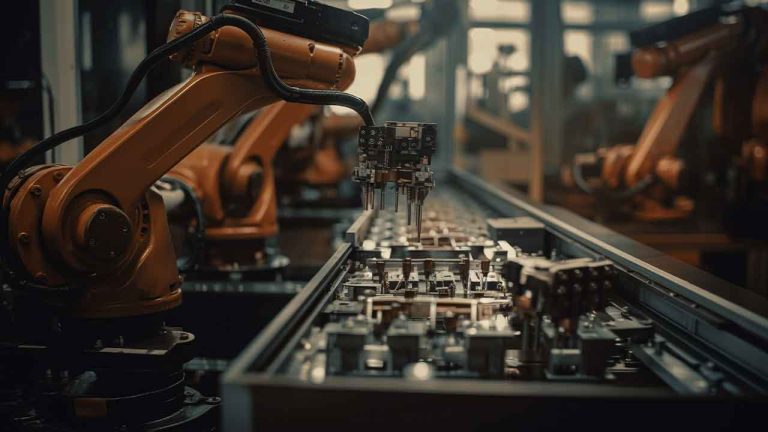
Industrial Robotics: Transforming Modern Manufacturing and Beyond
The world around us is evolving with the speed of light and technology is booming in its full glory. The idea of robots co-existing around us used to look like a far-fetched dream, a thing of…
Why C-Level Leaders Must Rethink Industrial Data Modeling Now
Industrial AI initiatives fail far more often from poor data foundations than from flawed algorithms. For C-level leaders overseeing digital transformation, the strategic question is not which AI platform to buy but whether their organization's data…

Thriving Amid Uncertainty: How Manufacturers Are Turning Agility Into Competitive Advantage
Volatility has become the norm in global manufacturing—driven by trade tensions, shifting tariffs, talent shortages, and fragile supply chains. In this environment, agility isn’t just a buzzword—it’s a competitive necessity. That’s the focus of “Thriving Amid Uncertainty: Building…

June 2025 Industrial IoT & ICS Cybersecurity Events
As the industrial world rapidly digitizes, securing operational technology (OT), industrial control systems (ICS), and IIoT environments becomes more critical than ever. June 2025 offers a robust lineup of global events focused on cybersecurity, digital transformation,…

Navigating the Warehouse Technology Matrix: Integration Strategies and Automation Flexibility in the IIoT Era
Warehouses have evolved from cost centers to strategic differentiators that directly impact customer satisfaction and competitive advantages. This transformation has been driven by e-commerce growth, heightened consumer expectations, labor challenges, and rapid technological advancement. For many…
Building Agile, Sustainable CPG Operations in a Constrained World
In the highly competitive consumer packaged goods (CPG) sector, manufacturers are under increasing pressure to meet shifting consumer demands, accelerate product innovation, and achieve sustainability targets—all within limited physical and energy infrastructure. According to Neil Smith…
Why Manufacturers Still Struggle with Industry 4.0—and What to Do About It
At a time when Industry 4.0 conversations dominate industrial trade shows and boardrooms alike, many manufacturers still miss the mark. The problem isn’t the technology. It’s how it’s being approached. Jeff Winter, a well-known voice in…
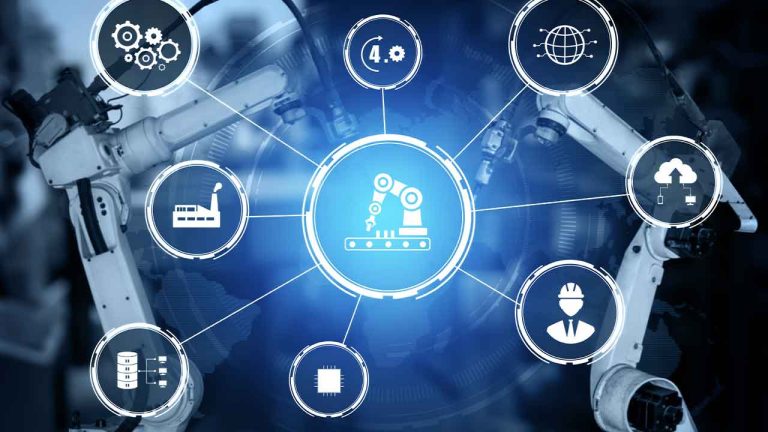
Why AI Needs IoT to Deliver Real Value in Industrial Operations
Artificial intelligence dominates manufacturing strategy conversations, yet most industrial AI projects stall before they deliver measurable value. The missing ingredient is almost always the same: reliable, contextualized data flowing from IoT sensors, PLCs, and edge devices…