
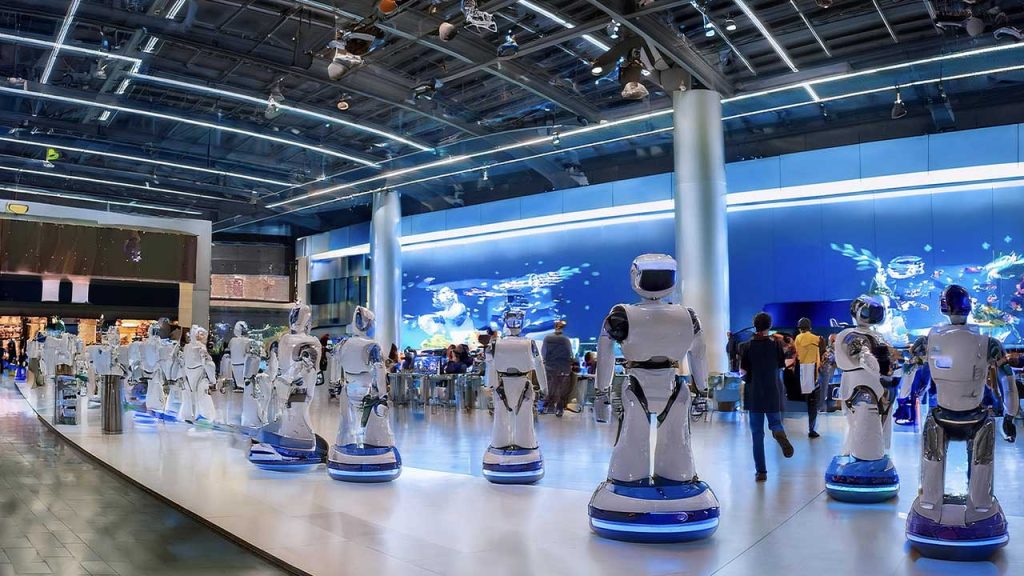

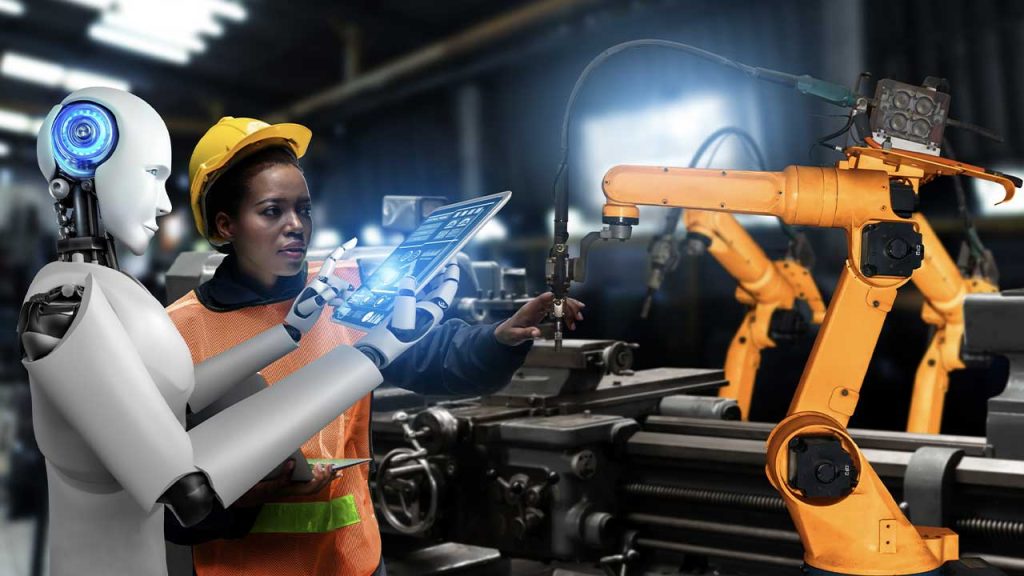
Five reasons why AI projects fail in manufacturing
Implementing AI in manufacturing holds great promise, but the path to success is often littered with obstacles. Despite the hype, many AI projects fail to deliver on their potential.Here are some common reasons why AI projects…
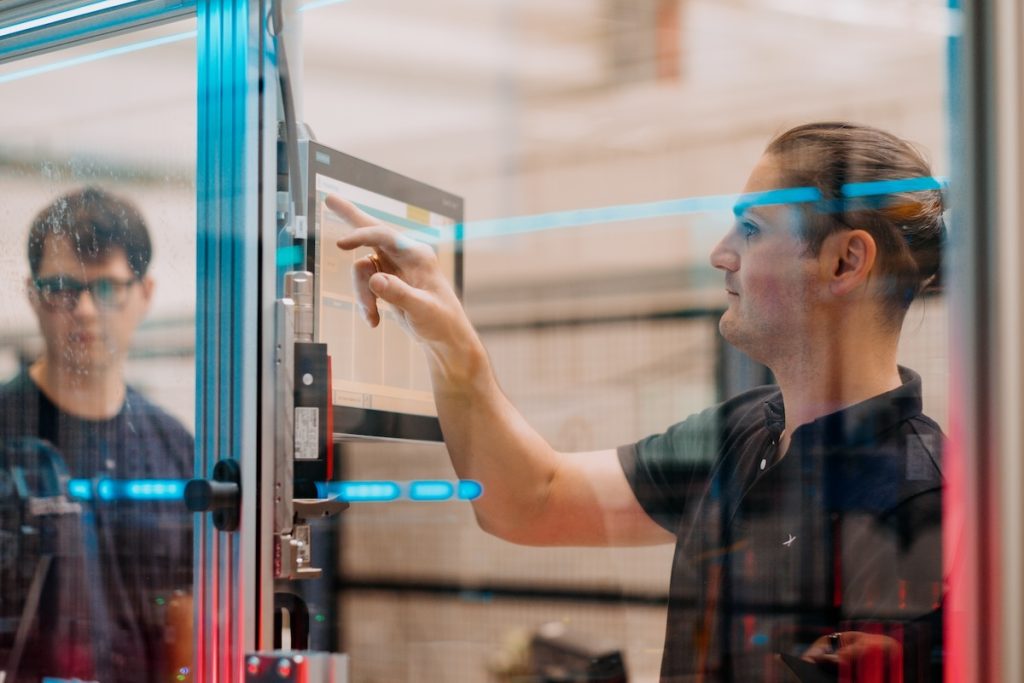
Siemens Expands Industrial Copilot to Empower Manufacturing with Generative AI
In an era of heightened competitive pressure and skilled labor shortages, the manufacturing industry faces immense challenges in productivity and efficiency. Siemens is at the forefront of addressing these challenges by introducing powerful, generative AI-driven solutions…
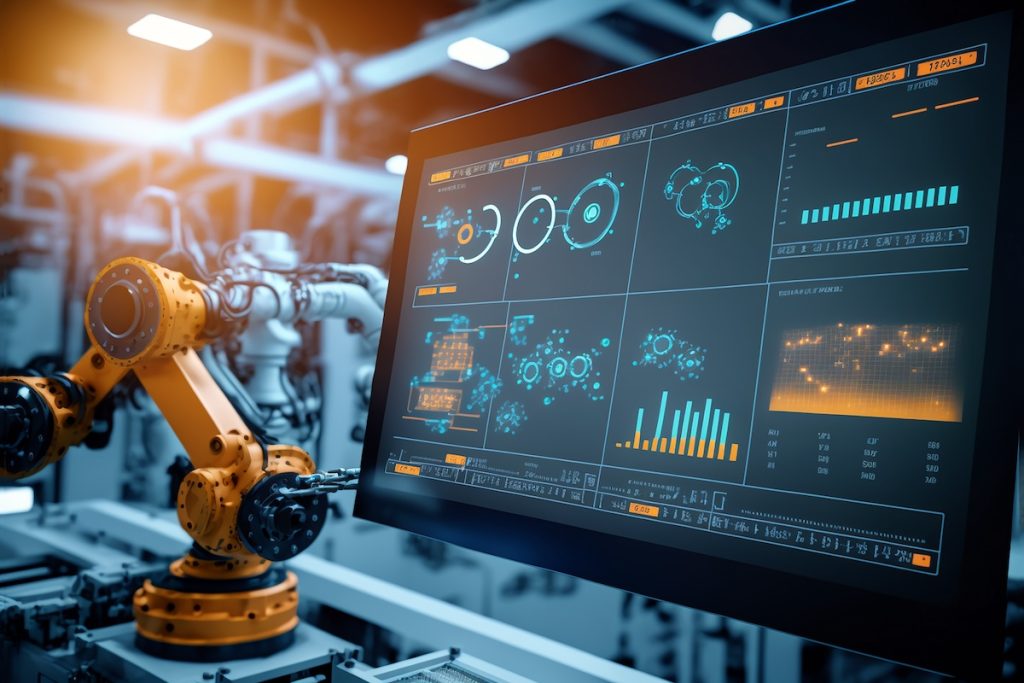
Data Barriers and AI in Manufacturing: Overcoming the Challenges
One of the most significant hurdles in deploying AI in manufacturing is access to the right data. While AI has the potential to transform industrial operations, its effectiveness is often limited by the availability of high-quality…
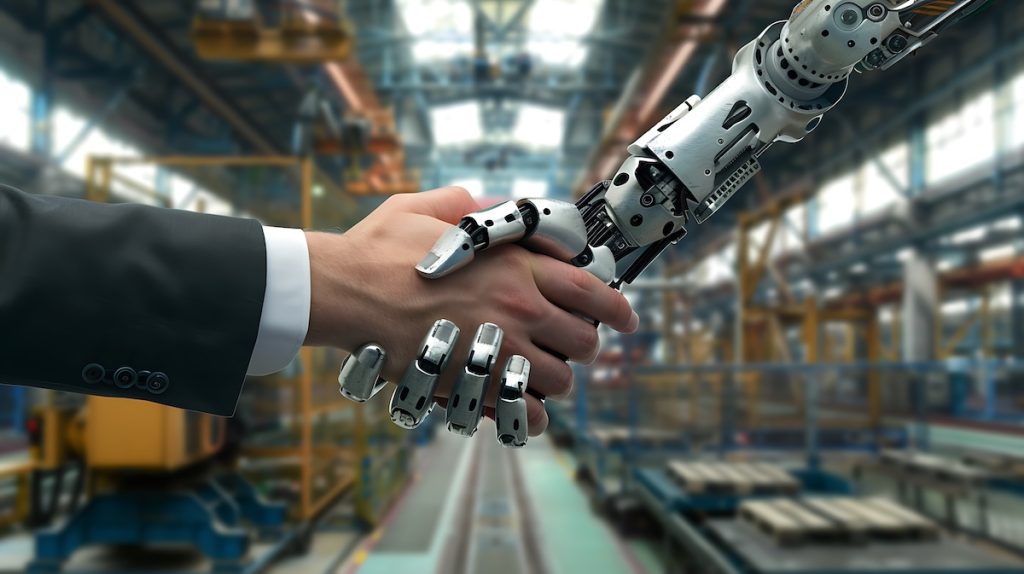
The Untapped Potential of AI: Moving Beyond Automation to Empower Humans in Manufacturing
The current AI discourse in manufacturing often revolves around automation and the potential displacement of human workers. While these are valid concerns, focusing solely on them overshadows a significant, yet often overlooked, opportunity: leveraging AI to enhance…

Six Ways AI is Transforming Enterprise Asset Management
Artificial intelligence (AI) is transforming enterprise asset management (EAM) by enhancing efficiency, accuracy, and predictive capabilities across various processes. This article outlines six key ways AI can improve EAM, particularly through data collection, management, and asset…

Artificial General Intelligence and Large Language Models
As I described in the first article of the “Artificial Intelligence Seasons” series, the technological singularity storm is on the horizon, with Artificial General Intelligence (AGI) being one of the most hyped concepts. Let’s take a…

What are the risks of using AI in manufacturing?
In the ever-evolving landscape of manufacturing, Artificial Intelligence (AI) presents both significant opportunities and substantial risks. While AI can drive efficiency, innovation, and enhanced cybersecurity, it also introduces challenges that must be carefully managed to ensure…
Generative AI: Bridging the Knowledge Gap for Manufacturing Personnel
Generative AI can make AI insights more accessible to shop floor operators, allowing them to make better decisions without having to understand complex data or algorithms. For example, generative AI could help operators understand what the next…
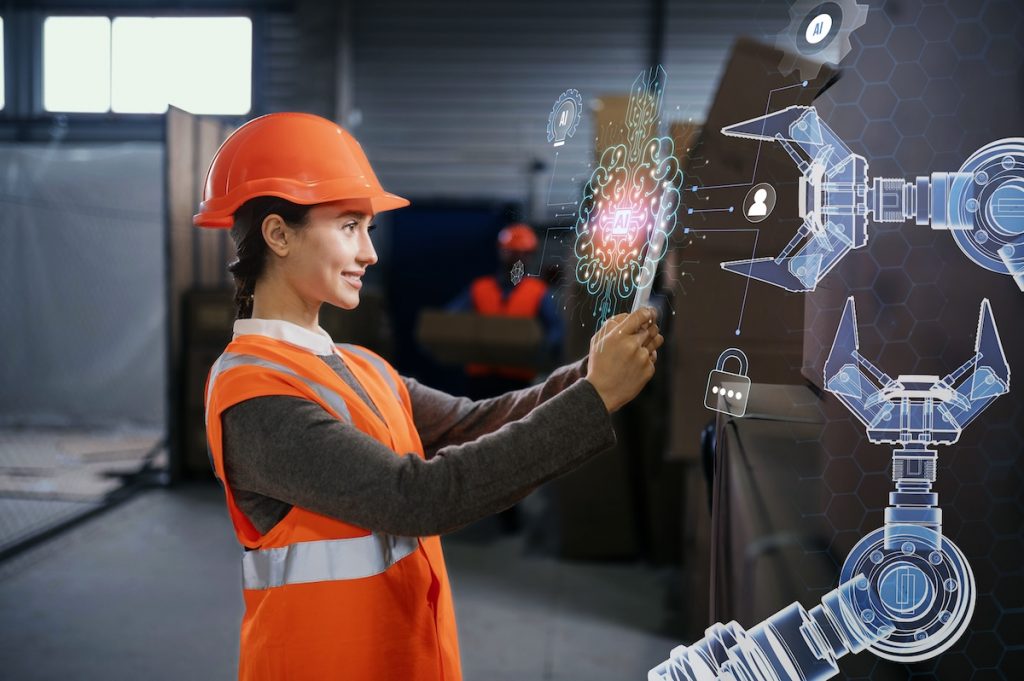
Three Essential Uses of Generative AI in Manufacturing
Generative AI is transforming the manufacturing industry by offering innovative solutions to enhance efficiency, improve product design, and optimize processes. Let’s explore three specific ways generative AI can be applied to jobs in manufacturing, providing concrete…

Artificial Intelligent Seasons
Birth of AI. WinterThe terms “artificial intelligence” and “machine learning” began shaping the technological landscape in the mid-20th century, with the official birth of AI at the Dartmouth Conference in 1956. John McCarthy and his colleagues…