
Quality control in industrial fabrication is undergoing a fundamental shift, from reactive inspection to predictive, data-driven assurance powered by IIoT sensor networks and advanced analytics. In this guide, IIoT World examines how manufacturers are deploying connected sensors, real-time data pipelines, and machine learning models to detect quality deviations before defective parts ever leave the production cell. The article covers the practical architecture behind data-driven quality systems, including sensor selection, data integration challenges, and the role of edge analytics in delivering sub-second feedback loops. For fabrication shops, contract manufacturers, and OEMs looking to reduce scrap rates and meet tightening compliance standards, this is a roadmap to building quality into every step of the process.
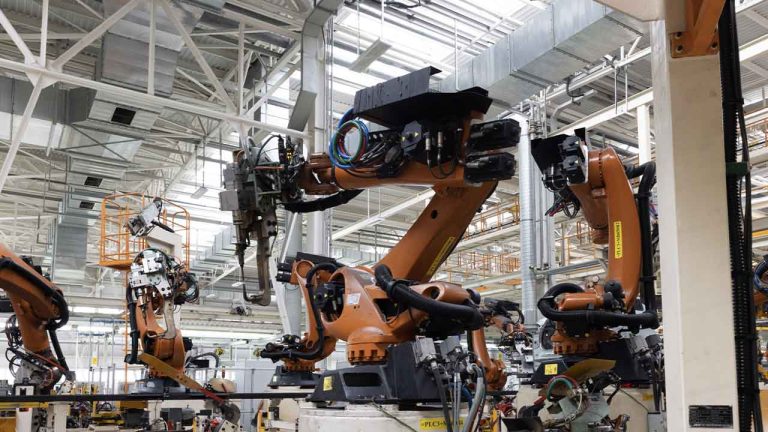
Industrial fabrication is transforming as manufacturers shift from manual inspection to intelligent, data-driven systems. Through the Industrial Internet of Things (IIoT), machines, sensors and analytics platforms communicate seamlessly to create a connected production ecosystem. This integration allows every fabrication stage to be monitored in real time, providing instant visibility into performance and process variations.
Instead of relying on after-the-fact inspections, engineers can identify deviations as they happen and adjust parameters automatically to maintain precision. The result is a continuous cycle of improvement in which data fuels smarter decision-making, reduces waste and ensures consistent product quality across every run.
The Quality Challenge in Modern Fabrication
Quality management in industrial fabrication has always faced challenges that limit consistency and productivity. Material variation, process drift, human error and inconsistent inspection cycles can lead to defects that compromise performance and reliability. For example, in processes like wire arc additive manufacturing, the high processing temperatures can cause microstructural changes, residual stress and distortion. These issues make it challenging to achieve high-quality components without costly rework.
Traditional quality control methods, which rely on batch sampling or manual inspection, often detect problems only after production has begun. This reactive approach delays corrective actions and increases material waste. However, with IIoT-enabled systems, quality assurance becomes proactive. Real-time sensor data and continuous feedback loops help engineers identify deviations instantly, which allows them to prevent defects before they occur and maintain consistent quality throughout production.
Building the IIoT Quality Framework
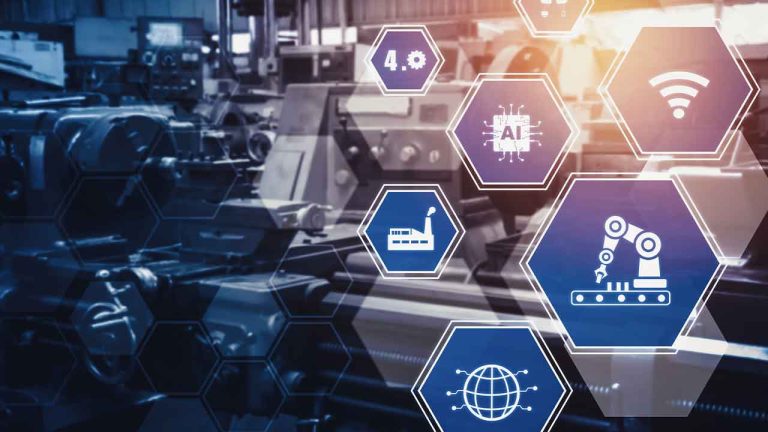
A data-driven fabrication system functions through a connected architecture that combines sensors, edge devices and advanced analytics platforms to create a responsive manufacturing environment. Sensors embedded in machines capture real-time data on variables like temperature and pressure. At the same time, edge devices process this information locally for instant insights. Connectivity protocols ensure smooth communication between machines, production lines and enterprise systems.
Once data is aggregated, cloud and edge analytics platforms analyze trends, detect irregularities and predict potential failures. This level of visibility enables complete traceability across every fabrication step, ensuring engineers can pinpoint when and where issues arise. Interoperability and open standards make this system scalable and future-ready, allowing equipment from multiple vendors to work together and evolve as new technologies enter the industrial landscape.
Real-Time Insights and Process Optimization
IIoT dashboards give engineers a clear, real-time view of production health by visualizing key performance metrics, such as yield rates and defect patterns. With this level of visibility, teams can quickly identify performance bottlenecks or equipment inefficiencies as they occur.
For example, connecting MIG welding systems to IIoT platforms in metal fabrication allows operators to monitor gas flow, current and wire feed rate in real time. Because MIG welding is fast and efficient, optimizing these parameters can reduce lead times, labor costs and material waste.
Data fusion from multiple sensors — combining information on temperature, vibration and machine speed — enhances decision-making by uncovering correlations that single data points might miss. This continuous data flow also provides detailed, traceable evidence of process stability and quality, which ensures every improvement is measurable and repeatable.
Overcoming Integration and Security Barriers
Integrating IIoT into industrial fabrication often comes with challenges beyond technology upgrades. Many facilities still operate on legacy systems that were never designed to communicate with modern sensors or cloud platforms. Achieving seamless interoperability between operational technology and information technology requires bridging data formats, communication protocols and security frameworks.
Installing IIoT systems depends on effective communication between old machinery and new sensors. This task can be difficult for companies that have used the same equipment for decades. Overcoming this technological gap often involves retrofitting machines or deploying gateways that translate analog signals into digital data streams. To simplify adoption, IIoT vendors can offer modular, interoperable solutions that allow fabrication plants to modernize gradually without disrupting ongoing production.
Future Outlook
The future of fabrication lies in intelligent, self-correcting systems powered by artificial intelligence and real-time analytics. Emerging trends, such as closed-loop process optimization and decentralized edge AI, transform how manufacturers maintain quality and efficiency on the production floor. By analyzing data from real process environments, companies can uncover valuable technological insights that improve machine performance, boost production efficiency and minimize scrap.
With the rollout of 5G and private industrial networks, low-latency communication will make it possible to perform high-speed quality control even on the fastest fabrication lines. These advancements will enable factories to respond instantly to changes, which creates smarter, more adaptive production ecosystems. As manufacturers continue to digitize, data-driven quality management will allow forward-thinking organizations to deliver reliability and continuous improvement at scale.
Quality as a Continuous, Intelligent Process
IIoT transforms quality control from a static, manual checkpoint into an intelligent, continuous process that monitors and improves production in real time. Connecting machines, sensors and analytics enables instant feedback and proactive decision-making, ensuring consistent product quality. Collaboration between vendors and end-users on scalable, standards-based IIoT ecosystems will be crucial to achieving lasting excellence in industrial fabrication.
About the author
 This article was written by Ellie Gabel. Ellie is a freelance writer and an associate editor for Revolutionized living in Raleigh, NC. When she’s not writing about the latest advancements in science and technology, you can find her spending time with her cats.
FAQ
1. What is data-driven quality in industrial fabrication?
Data-driven quality refers to the practice of using IIoT sensor data, statistical process control, and machine learning to monitor, predict, and prevent quality defects during the fabrication process rather than relying solely on end-of-line inspection. Sensors measuring variables such as temperature, vibration, pressure, and dimensional accuracy feed real-time data streams into analytics platforms that compare current conditions against known good profiles. When deviations are detected, the system can alert operators or automatically adjust process parameters to bring production back within specification. This approach can reduce scrap rates by 20% to 40% and cut inspection labor costs significantly.
2. How does predictive quality differ from predictive maintenance in manufacturing?
Predictive maintenance focuses on forecasting when a machine or component will fail so that repairs can be scheduled before an unplanned shutdown occurs. Predictive quality, by contrast, focuses on forecasting when a process will begin producing out-of-spec parts, even if the equipment itself is still functioning normally. The data sources overlap considerably; both use vibration, temperature, and power consumption data. However, predictive quality models are trained on product quality outcomes (dimensional accuracy, surface finish, material properties) rather than equipment failure events. In practice, the two disciplines are complementary, and organizations that implement both see compounding improvements in OEE and first-pass yield.
3. What types of IIoT sensors are most important for fabrication quality monitoring?
The most critical sensors depend on the fabrication process, but five categories appear across nearly all implementations. Accelerometers and vibration sensors detect tool wear and machine anomalies that affect surface finish. Thermal sensors, including infrared cameras, monitor heat-affected zones in welding, cutting, and additive manufacturing. Force and torque sensors on CNC spindles and press brakes provide real-time feedback on material behavior. Vision systems with high-resolution cameras enable in-process dimensional inspection. Environmental sensors tracking humidity, ambient temperature, and particulate levels are also important in precision fabrication, where even small environmental changes can push tolerances out of range.
Related from IIoT World: