A Practical Shift Toward Remote Operations
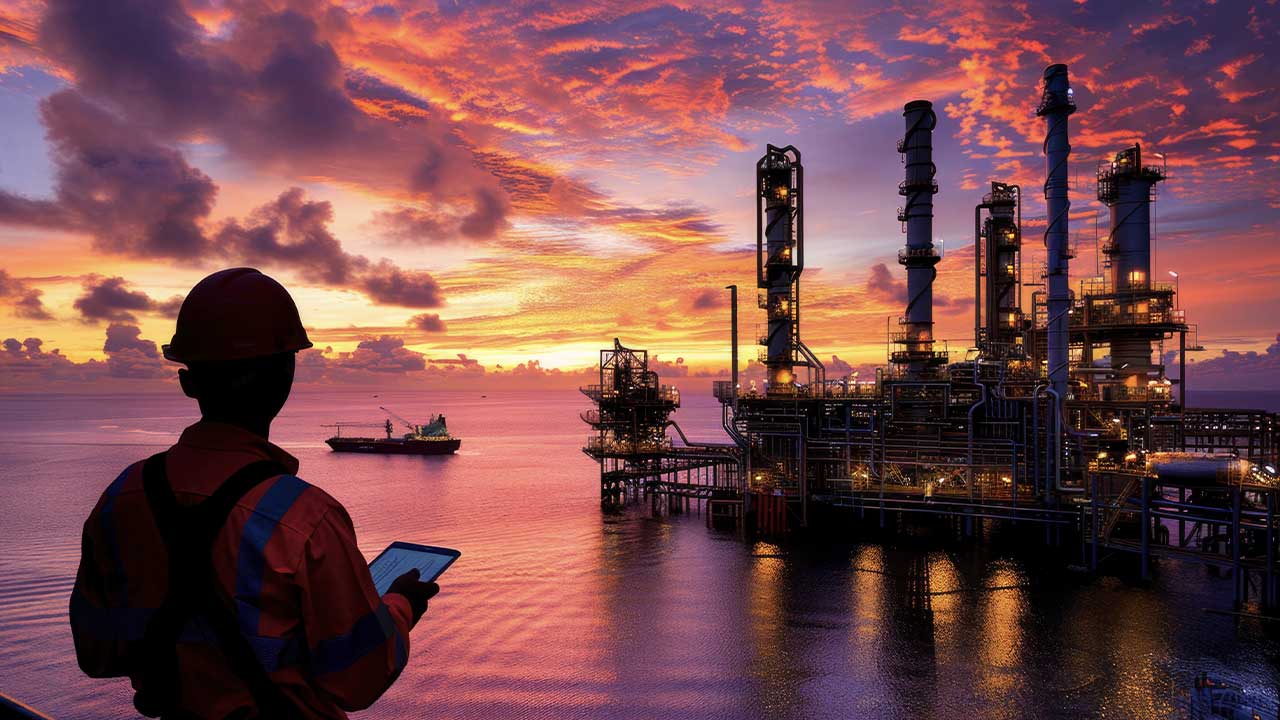
Oil and gas operators are running offshore platforms from onshore control rooms today, not in a future pilot. In Norway, fully remote onshore control rooms manage offshore platforms using IIoT platforms, edge AI, and automation. The two primary benefits: lower operating costs and reduced personnel exposure in hazardous environments.
Reducing the number of personnel on board has two major benefits: lower operating costs and improved safety by minimizing human exposure in hazardous environments.
What Do Digital Twins Do in Oil and Gas?
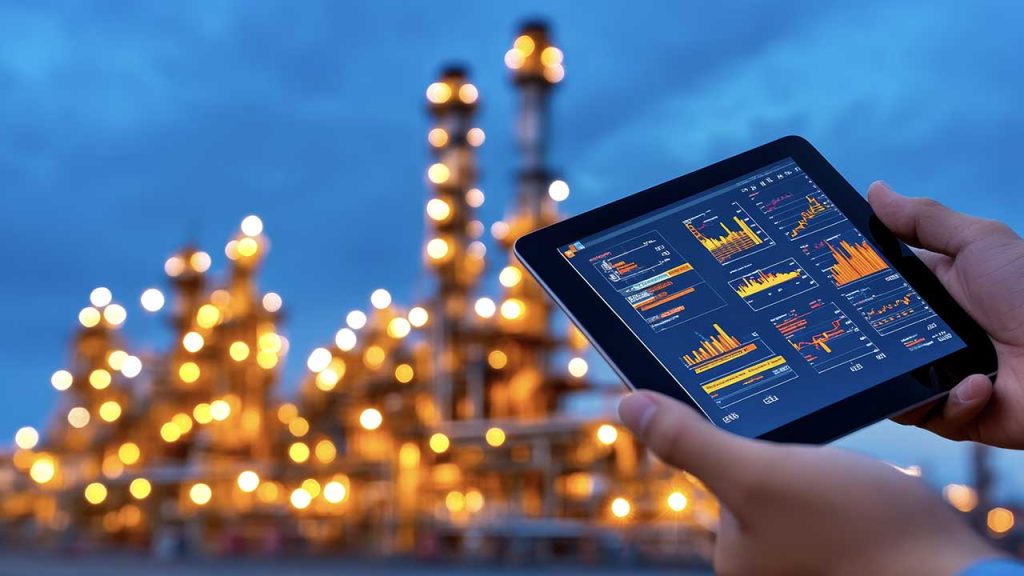
A digital twin is a real-time digital model of a physical asset, integrating telemetry, 3D visualizations, and condition data to provide full-site visibility. In oil and gas remote operations, digital twins allow teams to inspect equipment virtually, simulate repairs, and identify failures before dispatching crews, increasing uptime and reducing unplanned outages.
How Do Robots and AI Support Remote Inspections?
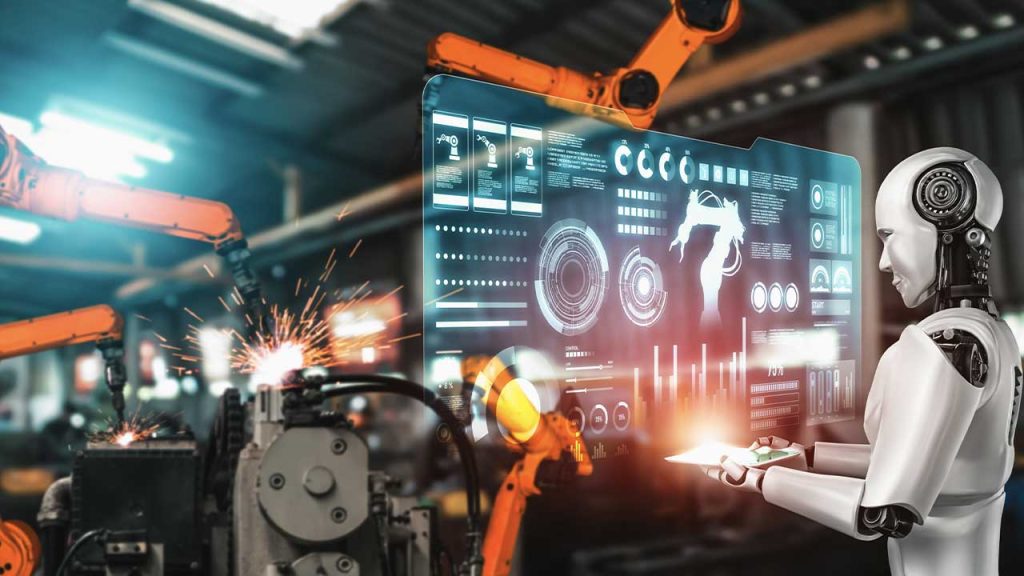
Robots equipped with cameras and environmental sensors perform routine inspections in high-risk or hard-to-reach areas without requiring personnel on site. These systems feed data directly into operational platforms and digital twins. AI then prioritizes maintenance tasks, detects anomalies, and reduces unnecessary site visits, extending human capabilities rather than replacing human roles.
How Do Operators Choose the Right Use Case?
Successful oil and gas operators adopting remote operations technology begin by identifying their top two or three operational inefficiencies, whether excessive downtime, safety risks, or manual reporting, and then evaluate digital tools to address those specific problems. The deployments that prove value fastest tie directly to measurable business outcomes such as fewer site visits, quicker diagnostics, or higher asset reliability.
The most successful deployments show ROI fast. Whether through fewer site visits, quicker diagnostics, or higher asset reliability, the winning technologies are those that tie directly to business performance.
Remote-first operations are no longer experimental. They are proving their value in daily oil and gas operations. With maturing digital infrastructure and increasing economic pressure, the shift toward low-touch, high-insight operations will only accelerate.
This article was written based on insights from the session Smart Operations in Oil and Gas: Leveraging IIoT for Efficiency at IIoT World Energy Day 2025.
Related articles:
- The Human Costs, Regulatory Compliance, and the Workforce Transformation Playbook (Part 3 of 4)
- Top 10 Energy Efficiency Solutions for Manufacturing 2026
- A Glimpse Inside Finland’s Innovation Engine