Why Smart Vibration Sensors Still Use Wires
· Industrial IoT

Why Smart Vibration Sensors Still Use Wires

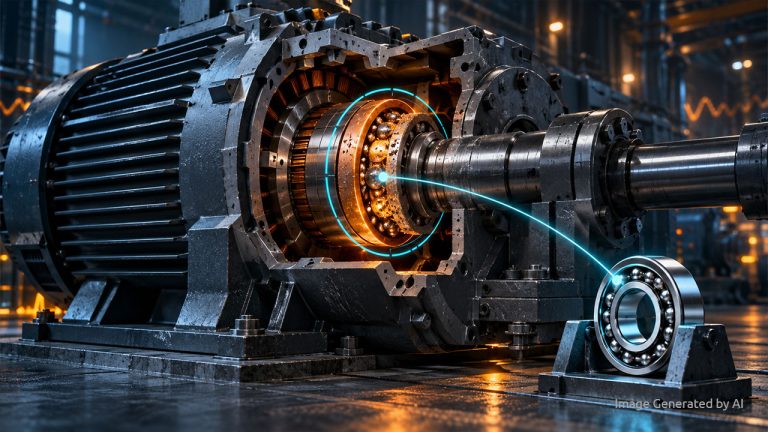
Piezoelectric vibration sensors have been the factory standard for more than 50 years. According to Dr. Antoine Filipe, CTO of Tronics Microsystems, a TDK Group Company, MEMS-based digital sensors are now following the same replacement curve that already swept through consumer electronics and aerospace. This article examines why the shift from analog to digital vibration […]

Read more →
How One Utility Secured 650,000 Power Connections
· Cybersecurity

How One Utility Secured 650,000 Power Connections

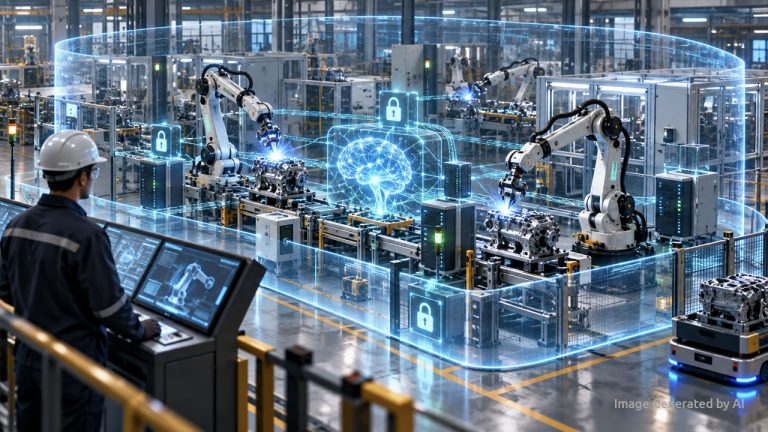
With estimated cybercrime costs reaching $10.5 trillion between 2020 and 2025, the energy sector has become a primary target internationally. Recorded attacks in recent years have left 600 apartment buildings without heat for two days and idled a power plant for three weeks. Genesis Energy, New Zealand’s largest electricity and natural gas retailer and a […]

Read more →
The OT Veto: When Your Plant Floor Has Final Say on Your Digital Strategy
· Digital Disruption

The OT Veto: When Your Plant Floor Has Final Say on Your Digital Strategy

There is an unspoken rule in manufacturing technology that overrides every software license, every boardroom mandate, and every digital transformation roadmap. It is the OT Veto. This isn’t a failure of leadership or vision. It is the logical, inevitable outcome of a system where one group is measured purely on the certainty of production, and […]

Read more →
Time Series Database Buying Guide for Energy
· Energy

Time Series Database Buying Guide for Energy

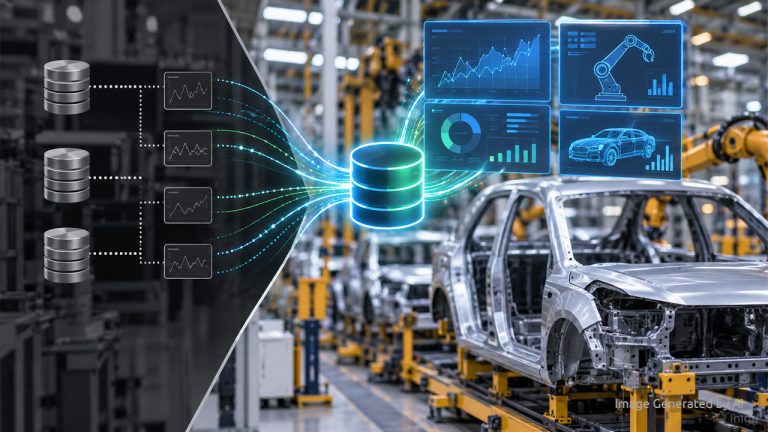
The data challenge facing energy operations todayPower grids, renewable energy sites, battery storage facilities, substations, and smart meter networks generate millions of time-stamped data points every second. This telemetry from sensors, SCADA systems, and field devices is the foundation for real-time monitoring, predictive maintenance, and grid stability. Without the right data infrastructure, none of it […]

Read more →
The Data Readiness Paradox: Why Smaller Manufacturers are Primed to Scale AI Faster
· Artificial Intelligence

The Data Readiness Paradox: Why Smaller Manufacturers are Primed to Scale AI Faster

There is a prevailing assumption in manufacturing that advanced AI is a “big company game.” Global enterprises have the deep pockets, dedicated data scientists, and massive datasets required to make AI work. However, evidence from the shop floor suggests a surprising inversion. While the largest organizations are spending more, Small and Medium Manufacturers (SMMs) are often more […]

Read more →
The Investment Filter: How AI Exposes the True Cost of Your Operational Data
· Predictive Maintenance

The Investment Filter: How AI Exposes the True Cost of Your Operational Data

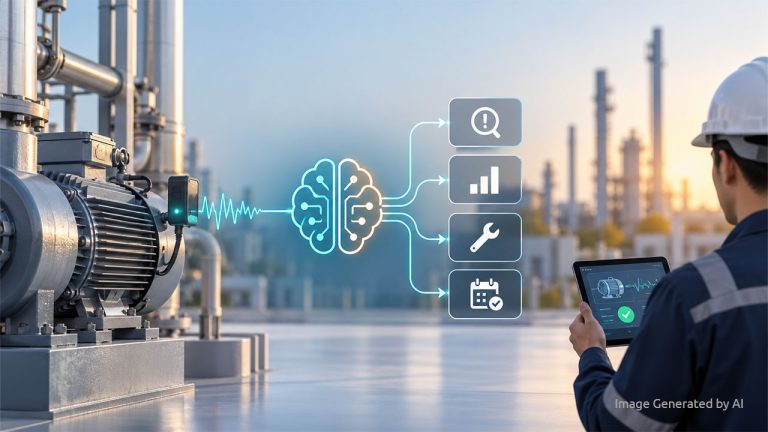
For manufacturing leadership, every capital request comes with a projection: a return on investment, a payback period, a net present value. These metrics are designed to filter good bets from bad. But there is a new, critical filter emerging in the era of artificial intelligence, and it has nothing to do with financial modeling. It […]

Read more →
Why Manufacturers Can’t Scale Digital Innovation Without Internal Data Governance
· Industrial IoT

Why Manufacturers Can’t Scale Digital Innovation Without Internal Data Governance

Why Manufacturers Can’t Scale Digital Innovation Without Internal Data GovernanceThe real blocker isn’t technology, it’s trustManufacturers often agree that wider data sharing across plants, partners, and supply chains is necessary to stay competitive. The goals are practical: improving efficiency, reducing friction in collaboration, and turning operational data into measurable value. Yet many initiatives never move […]

Read more →
The First Step for AI in Energy Isn’t Digital
· Artificial Intelligence & ML

The First Step for AI in Energy Isn’t Digital

Before an energy company can use artificial intelligence to predict a pipeline fault or optimize a drilling schedule, it must solve a physical problem. The industry’s most valuable data isn’t in the cloud; it’s in filing cabinets, on shared drives, and in the handwritten logs of technicians nearing retirement. This legacy knowledge, decades of inspections, […]

Read more →
Cybersecurity Upside Down: Why Detection is a Losing Game for ICS in 2026
· ICS Security

Cybersecurity Upside Down: Why Detection is a Losing Game for ICS in 2026

The industrial sector is at a crossroads. As we navigate 2026, the traditional “detection-first” mindset that has governed OT (Operational Technology) cybersecurity for decades is proving insufficient against the rise of autonomous, AI-driven threats.During an interview at S4x26 in Miami, Benny Czarny, CEO of OPSWAT and author of Security Upside Down, explained that manufacturers must flip their security models to […]

Read more →
The Future of Industrial AI: How Orchestration Solves the “Process Drift” Challenge
· Process Manufacturing

The Future of Industrial AI: How Orchestration Solves the “Process Drift” Challenge

With the “steady state” of manufacturing becoming a historical relic due to volatile energy costs, shifting feedstocks, and a shrinking workforce, companies are increasingly adopting Industrial AI Orchestration. Rather than merely deploying isolated models, this technology serves as the essential “glue” that safely integrates high-order AI with both human operators and physical control systemsMoving Beyond Data Drift […]

Read more →
The Document Accuracy Layer: A Practical AI-Readiness Checklist for Industrial Document Pipelines
· Connected Industry

The Document Accuracy Layer: A Practical AI-Readiness Checklist for Industrial Document Pipelines

Industrial AI is having its moment, and the pressure is real. Manufacturers are staring down a workforce gap that won’t resolve itself. As experienced people retire, the risk isn’t just “we need headcount.” It’s that tribal knowledge walks out the door, and what’s left behind is locked in PDFs, binders, scans, drawings, and vendor packages. […]

Read more →
AI in Manufacturing Introduces a New Risk: Can You Trust What the Model Learned?
· Cybersecurity

AI in Manufacturing Introduces a New Risk: Can You Trust What the Model Learned?

Why AI risk in factories is no longer just a cybersecurity issueManufacturers are beginning to use AI in areas that influence real operational decisions: quality analysis, anomaly detection, process optimization, and predictive maintenance. As this accelerates, a new category of risk is emerging, one that is fundamentally different from traditional IT or OT security.The question […]

Read more →