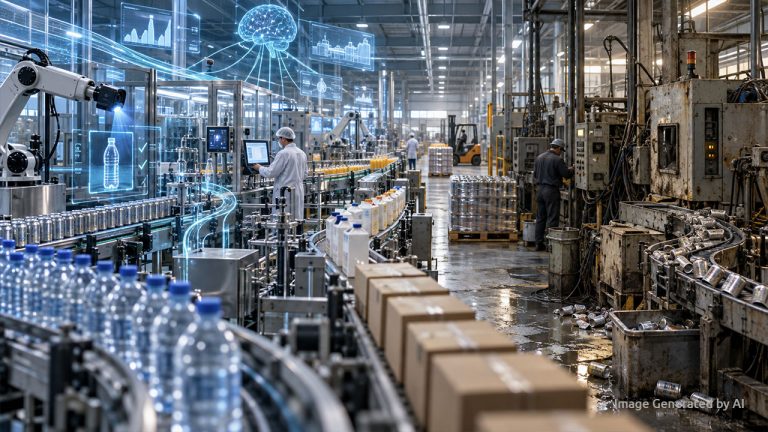

Lean manufacturing remains one of the most proven frameworks for eliminating waste, reducing lead times, and improving quality on the factory floor. Yet many manufacturers struggle to move beyond pilot projects and embed lean principles into daily operations at scale. This IIoT World guide walks through the core lean manufacturing techniques, from 5S workplace organization and Kaizen continuous improvement to value stream mapping and just-in-time production, with practical advice on how digital tools like IIoT sensors, real-time dashboards, and AI analytics accelerate lean outcomes. Whether you run a discrete assembly line or a continuous process plant, you will find actionable steps to boost productivity and build a culture of operational excellence.
Lean manufacturing is a game-changer for modern industries, helping companies cut waste, optimize workflows, and improve product quality. Implementing lean techniques can reduce cycle times by 50%, increase order accuracy by 25%, and lower inventory costs by 30%.
Understanding Lean Thinking
At its core, lean manufacturing focuses on customer value—anything not adding value is considered waste. The five key principles guiding lean practices include:
- Define Value – Identify what customers truly need.
- Map the Value Stream – Find and remove unnecessary steps.
- Create Flow – Ensure seamless movement through production.
- Establish Pull – Produce only what’s needed, when it’s needed.
- Seek Perfection – Continuously refine processes.
Key Lean Manufacturing Techniques
Several lean tools help businesses streamline operations:
- Value Stream Mapping (VSM)
- A visual representation of the entire production process.
- Helps identify bottlenecks and reduce inefficiencies.
- Companies implementing VSM report up to 58% lead time reduction.
- Kaizen (Continuous Improvement)
- Encourages small, incremental improvements across all levels.
- Results in reduced lead times, improved productivity, and fewer defects.
- 5S System
- Organizes workplaces using Sort, Set-in-Order, Shine, Standardize, and Sustain principles.
- Leads to cleaner, safer, and more efficient workspaces.
- Pull Systems & Just-In-Time (JIT)
- Produces only what is needed, reducing excess inventory.
- Helps cut production costs and improve responsiveness.
- Total Productive Maintenance (TPM)
- Ensures machines operate at peak efficiency, reducing breakdowns.
- Boosts Overall Equipment Effectiveness (OEE) and minimizes downtime.
The Impact of Lean Manufacturing
Case studies show that lean manufacturing can lead to:
- 25% increase in productivity
- 41% reduction in waste
- 88% decrease in defect-related losses
By adopting lean techniques, manufacturers can enhance efficiency, quality, and cost savings while fostering a culture of continuous improvement.
Source: This article is a summary of the original piece published by Retrocausal. Read the full article here: Lean Manufacturing Techniques
FAQ Section
1. What are the most important lean manufacturing techniques?
Key lean manufacturing techniques include Value Stream Mapping (VSM), which provides a visual representation of the entire production process to identify bottlenecks , companies implementing VSM report up to 58% lead time reduction. Kaizen encourages small, incremental improvements across all levels. The 5S System organizes workplaces using Sort, Set-in-Order, Shine, Standardize, and Sustain principles. Just-in-Time (JIT) production reduces inventory waste by producing only what is needed when it is needed.
2. What results can lean manufacturing deliver?
Implementing lean techniques can reduce cycle times by 50%, increase order accuracy by 25%, and lower inventory costs by 30%. Companies implementing Value Stream Mapping specifically report up to 58% lead time reduction.
3. What is the difference between lean manufacturing and Six Sigma?
Lean manufacturing focuses on eliminating waste and maximizing flow. Six Sigma is a data-driven methodology aimed at reducing process variation and defects. Many organizations combine both approaches into Lean Six Sigma.
Related from IIoT World: