


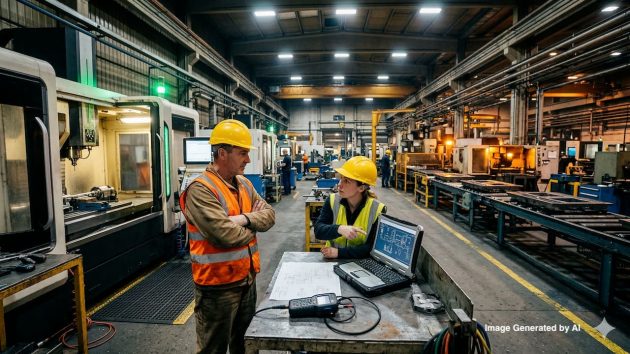

The Shift Toward Autonomous Production in Process Industries
The definition of autonomy in manufacturing is shifting from a conceptual goal to a practical requirement. According to Axel Lorenz, CEO of Process Automation at Siemens AG, autonomous production allows facilities to maintain consistent output despite…

The Small and Medium Manufacturer (SMM) Data Reality Check: An AI Readiness Checklist
How do you determine if your plant is ready for Prescriptive AI? Before investing in a prescriptive AI platform, Small and Medium Manufacturers (SMMs) must verify that their data environment is a “clean engine” ready for high-performance…

The Evolution of Reliability: How Agentic AI Closes the ‘Detect-to-Do’ Gap
Agentic AI moves industrial maintenance beyond simple alerts into autonomous execution. While standard predictive maintenance forecasts failures, Agentic AI coordinates the entire resolution process, querying inventory (CMMS), scheduling downtime (MES), and drafting work orders without manual…
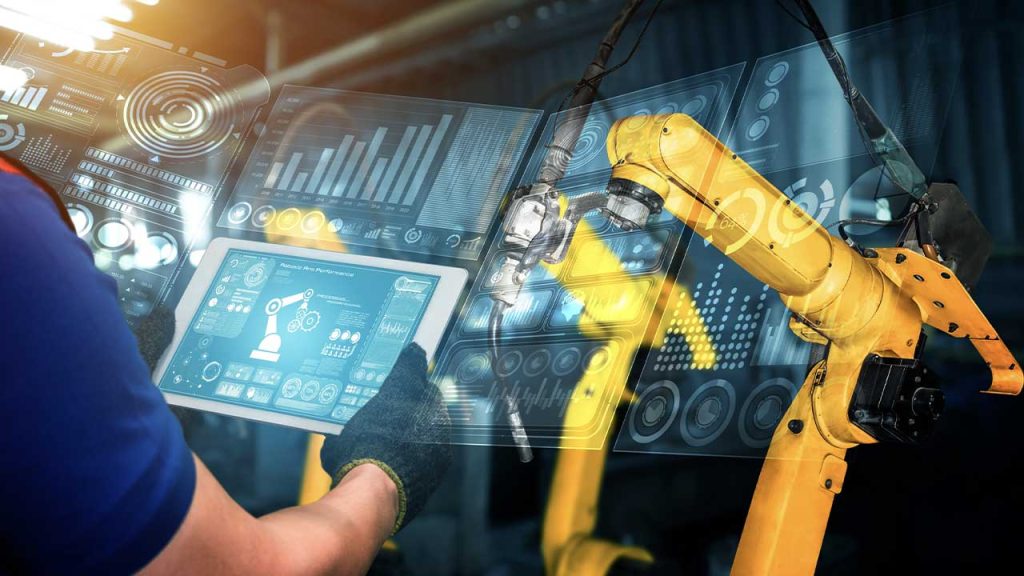
The Digital Backbone: Bridging the Manufacturing Expertise Gap with Prescriptive AI
The manufacturing sector is currently facing an existential challenge: the “brain drain.” With approximately 30% of the workforce nearing retirement, the industry is losing decades of unwritten “tribal knowledge.” In an environment of tightening margins and increasing complexity,…
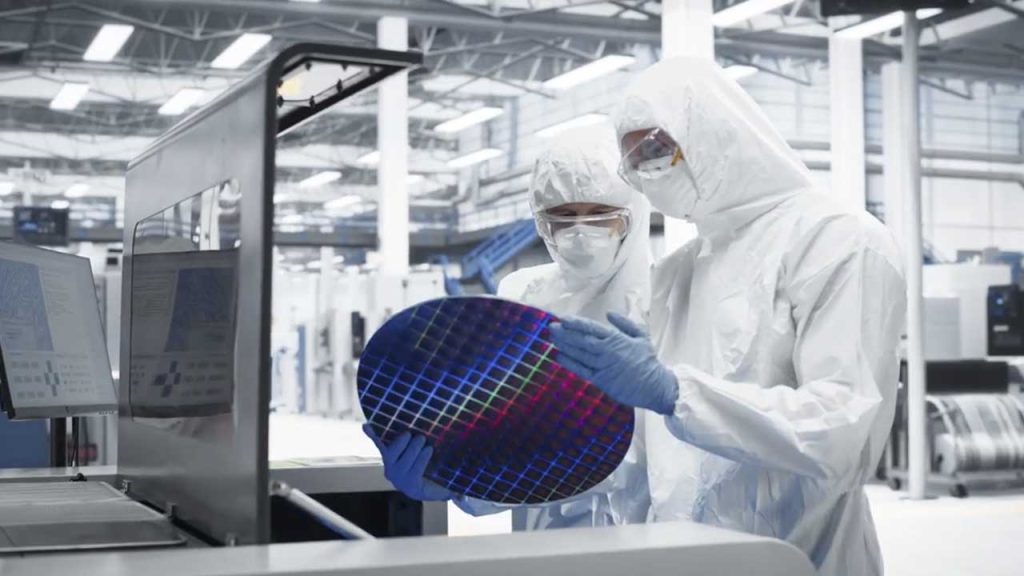
The New Skills Gap: What’s at Stake in the Global Chip Race
Employer-educator partnerships are key to overcoming the semiconductor talent shortage, accelerating innovation, and maintaining economic competitiveness. Fabrication labs, known as “fabs,” are the linchpin of the semiconductor industry. Fabs are where microchips are manufactured — the…

Stop Feeding Garbage to Your AI: Why 80% Accuracy in Document Processing is Now a Failure
A fundamental change in expectations is reshaping how manufacturers evaluate artificial intelligence systems. The long-standing benchmark of 80% accuracy in document processing is no longer acceptable. In the context of AI-driven product and supply-chain decisions, this…

The New Industrial Trade: Your Data Scientist is Useless Without Your Floor Technician
We are getting the conversation about data infrastructure backwards.The chatter online is saturated with debates on cloud versus edge, the merits of one database over another, and the magical promise of AI algorithms. These are implementation…

EU Data Regulation Is Quietly Changing Who Controls Industrial Machine Data
Why access to machine data is becoming a strategic issueFor years, many manufacturers operated with limited access to the data generated by their own machines. Interfaces were proprietary, extraction was restricted, and meaningful reuse often required…
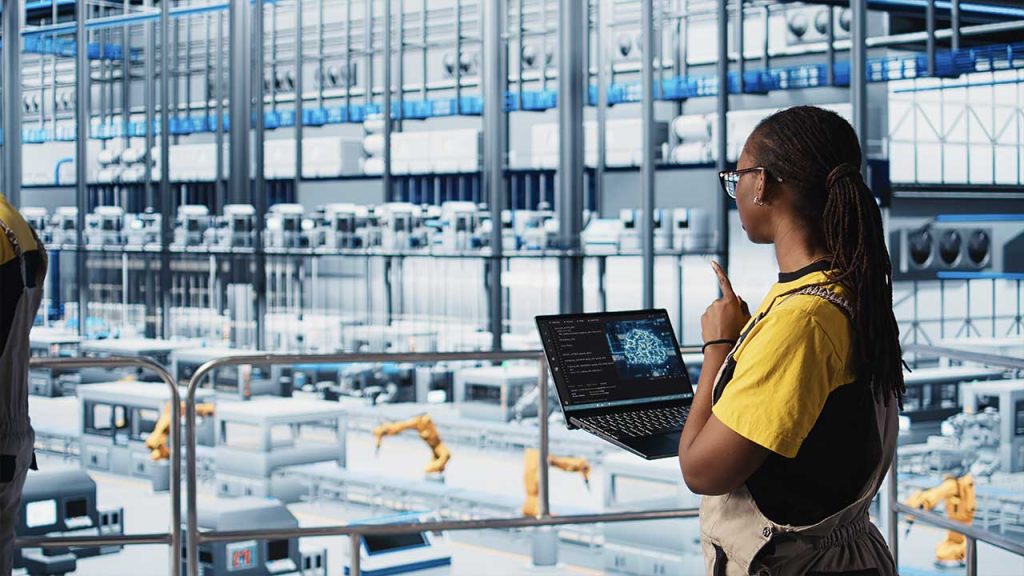
Why Factory Optimization Falls Behind Operational Reality
Factory optimization often underdelivers because it assumes a level of operational stability that rarely exists in practice. Modern manufacturing environments change continuously across product mix, labor availability, equipment behavior, and process configuration. Optimization approaches, however, remain…

The 40% Problem in Industrial AI
Why Many Projects Stall and What Moves Them ForwardEndurance athletes talk about the “40% wall.” It is the point where the body feels spent, even though much more capacity remains. David Goggins uses it to describe…