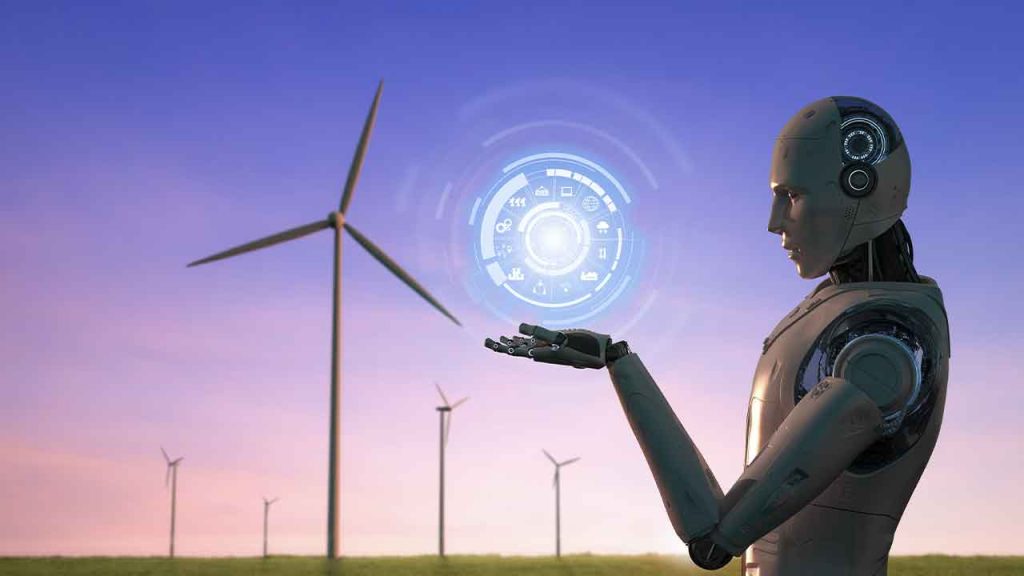
The convergence of artificial intelligence and edge computing is fundamentally transforming how energy companies generate, distribute, and manage power across increasingly complex grids. From real-time predictive analytics at wind farms to autonomous load balancing at substations, these technologies enable decisions to be made in milliseconds at the point of data creation rather than in centralized cloud environments hundreds of miles away. In this guide, IIoT World examines the practical applications, architecture patterns, and measurable outcomes that AI and edge computing deliver across renewable energy, oil and gas, and utility operations. Readers will learn how leading energy organizations are deploying edge-native AI to reduce transmission losses, optimize asset performance, and accelerate the transition toward distributed, resilient energy systems.
The energy sector is undergoing a profound transformation—driven not just by policy shifts or sustainability targets, but by the increasing convergence of digital technologies like Artificial Intelligence (AI) and Edge Computing. And while much of the noise still surrounds pilot projects and theoretical potential, a very real and very pragmatic shift is already well underway.
At a Crossroads: Complexity Meets Opportunity
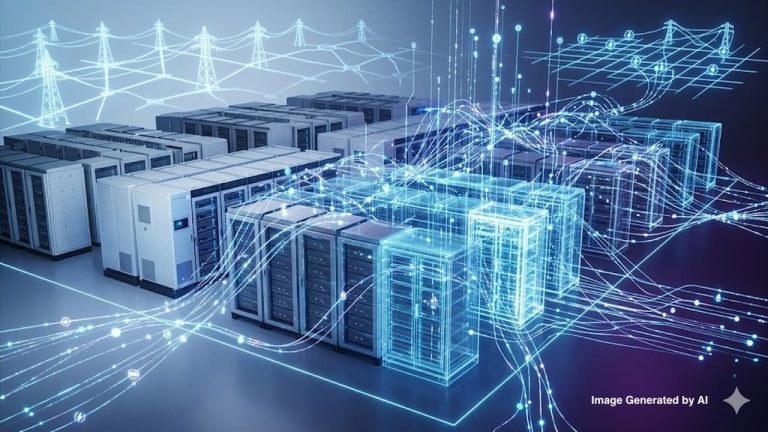
With the proliferation of Distributed Energy Resources (DERs), growing compute demands, and the mounting strain on transmission and distribution grids, the industry stands at a pivotal juncture. There’s no shortage of complexity—but also no shortage of tools. AI, in particular, is proving to be both a source of increased workload and the most promising tool to manage that very complexity. A paradox, yes. But one that’s starting to make a lot more sense as adoption deepens.
AI’s Dual Nature: Challenge and Catalyst
From DISTRIBUTECH to NVIDIA’s GTC, a consistent theme has emerged: AI is no longer just a curiosity—it’s a critical enabler. It introduces new workloads, yes. But it also opens the door to new efficiencies, predictive insights, and autonomous operations. It’s both the fire and the fire extinguisher. And the consensus is clear: if industry players don’t act now to operationalize AI, they risk falling behind.
The Open Power AI Consortium: A Strategic Collaboration
One initiative that caught the eye recently is the formation of the Open Power AI Consortium, led by the Electric Power Research Institute (EPRI). It’s a bold move toward open, domain-specific AI models designed for the energy sector by the energy sector. The vision? A community-driven ecosystem of large language models, seamlessly integrated into operational workflows, offering real-time recommendations and domain-aware reasoning—at scale. It’s early days, but the implications could be game-changing.
Edge AI: Intelligence Where It Matters Most
While cloud computing remains foundational, the focus is shifting toward the edge—where the action really happens. In energy systems, milliseconds matter. Waiting for data to bounce between local assets and the cloud can be the difference between proactive management and reactive firefighting. Edge AI brings intelligence to the point of data generation—enabling near-instantaneous decisions, tighter control loops, and smarter infrastructure.
Toward the Autonomous Grid
The concept of an autonomous grid—where sensors, controllers, and intelligent agents continuously communicate, interpret, and act without central oversight—is rapidly moving from vision to reality. Already, over 47 partners and customers are deploying NVIDIA’s industrial-grade stack across the energy value chain—from generation to medium- and low-voltage operations. It’s not all real-time and ready yet, but the direction of travel is clear.
The Quiet Green Revolution at the Edge
One of the more under-appreciated aspects of this shift is just how distributed the innovation is becoming. It’s not just about smart meters anymore. Platforms like NVIDIA Jetson are enabling intelligence in everything from reclosers to inverters, substations to EV chargers. If it has a chip, it has potential. The opportunity space is wide open for those willing to think beyond the usual suspects.
A Pause, Then Push Forward
After a flurry of announcements, demos, and cross-industry discussions, many of the players leading this transformation are catching their breath. And rightly so. But the momentum isn’t slowing. If anything, it’s accelerating. Because this isn’t just about technology—it’s about resilience, efficiency, and sustainability. And there’s real work to be done.
What’s Next
As AI and Edge Computing continue to gain ground, the energy sector is being reshaped in real time. The path ahead will require collaboration, experimentation, and a fair bit of recalibration. But one thing is certain: the future grid will not be built on legacy thinking.
So, for those asking “what’s next?”—keep an eye on the edge, on the models, and on the partnerships forming across the ecosystem. The green, intelligent, autonomous energy future isn’t a distant vision. It’s already in motion.
This interview with Ahsan Yousufzai, Global Director Energy Surface at NVIDIA, was recorded during DISTRIBUTECH 2025 by Kevin O’Donovan, a member of IIoT World’s Board of Advisors.
Related articles:
FAQ
1. Why is edge computing critical for AI deployment in the energy sector?
Energy infrastructure operates across geographically dispersed assets where reliable connectivity to centralized systems cannot be guaranteed. Edge computing places processing power directly at or near these assets, enabling AI models to analyze sensor data and execute decisions in real time. This is essential for time-sensitive operations and for managing the increasing complexity introduced by distributed energy resources.
2. What are the top use cases for AI in renewable energy operations?
AI is proving to be a critical enabler in renewable energy, supporting predictive insights and autonomous operations across assets such as wind farms and distributed grid infrastructure. Key applications include predictive maintenance to improve uptime, demand forecasting for grid balancing, and optimizing the management of distributed energy resources.
3. How do energy companies measure ROI from AI and edge computing investments?
Energy companies are moving from pilot projects to pragmatic, real-world deployments of AI and edge computing. ROI is demonstrated through reduced operational complexity, improved asset performance, and the ability to manage growing compute demands from distributed energy resources without proportionally increasing transmission and distribution strain.
Related from IIoT World: